In This Article
This complete African Daisy care guide explains how to plant, grow, and maintain healthy blooming Osteospermum in your garden.Hey there, gardeners! You’ve probably seen the lovely African Daisy if you’ve ever walked through a sunny garden bed full of bright, daisy-like flowers in purple, pink, orange, and white. I’ve been taking care of gardens in different climates for 15 years, and I love this plant because it can brighten up any space with bright colors that seem to dance in the wind. The African Daisy is special because it blooms for a very long time, usually from early spring to the first frost. This makes it a great choice for people who want flowers that are easy to care for and look great. This guide will help you grow beautiful African Daisy plants that steal the show, whether you’re a beginner or a pro looking to add some style to your beds. It is based on my own experiences and successes.
To kick things off, let’s get the basics down with a quick reference table on African Daisy essentials. I’ve put this together based on what I’ve observed in my own gardens and those of friends I’ve advised over the years.
Field | Details |
Botanical Name | Osteospermum spp. |
Common Name | African Daisy |
Plant Type | Tender perennial (often grown as annual in cooler zones) |
Mature Height & Spread | 12-24 inches tall, 12-18 inches wide |
Bloom Colors | Purple, pink, white, yellow, orange, lavender, and bi-colors |
Bloom Season | Spring through fall, sometimes year-round in mild climates |
Sun Requirement | Full sun (6+ hours daily) |
Soil Type | Well-draining, sandy or loamy |
Water Needs | Moderate; drought-tolerant once established |
Maintenance Level | Low to moderate |
What is African Daisy?

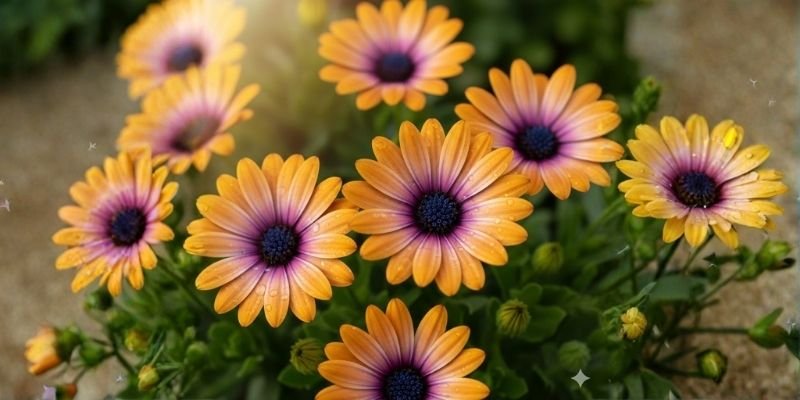
The African Daisy, or Osteospermum, comes from South Africa, where it grows best in warm, dry conditions. These plants grow in a bushy, mound-like way, which makes them great for filling in garden borders or spilling over the edges of containers. The flowers are the real stars. They are big, daisy-like blooms with ray petals around a central disk. They often close up at night or on cloudy days to keep safe. In the right conditions, African Daisy plants can grow up to two feet tall. When you brush against their leaves, they smell nice and feel a little fuzzy. African Daisy is part of the Asteraceae family, but it’s different from real daisies because it loves heat and can make waves of flowers without much trouble.
Why Grow African Daisy in Your Garden?
African Daisy has been a mainstay in my gardens for more than ten years because it has so many benefits that make it worth every bit of space. First of all, the long blooming period means you can enjoy months of color without having to replant, which is great for busy gardeners like me who don’t want to have to change out annuals all the time. Once their roots are settled, they can also survive long periods of drought, which saves water and work in the summer. African Daisy attracts pollinators like bees and butterflies to my backyard, making it a lively ecosystem that helps local wildlife. Also, they work well in containers, hanging baskets, or as ground covers, and they can fit in small urban spaces or on patios. African Daisy is a great choice if you want a plant that doesn’t need much care and adds color right away.
Seasonal Care Calendar
To keep your African Daisy performing at its best year-round, I’ve found it helpful to follow a seasonal rhythm based on what the plants need during different times. Here’s a simple table outlining key care tasks—drawn from my own routine in a temperate climate where winters can dip cool but not freezing.
Season | Key Care Tasks |
Spring | Plant new starts after last frost; fertilize lightly; water regularly to establish roots; pinch tips for bushier growth. |
Summer | Deadhead spent blooms weekly; provide afternoon shade in extreme heat; mulch to retain moisture; monitor for pests. |
Fall | Reduce watering as temperatures cool; continue deadheading; divide overcrowded plants if needed; enjoy extended blooms. |
Winter | In mild areas, mulch heavily and protect from frost; in cold zones, treat as annual or overwinter indoors; minimal watering. |
How To Plant And Care For African Daisy
To grow African Daisy successfully, you need to copy the sunny, well-drained areas where they live in the wild. I’ve learned through trial and error what works best. Let’s go over it step by step, as if I’m in the garden with you, holding the tools.
Step 1: Choose the Right Sunny Location
The most important thing for an African Daisy to be happy is where it is. These plants need a lot of sun to bloom, so find a spot in your garden that gets at least six hours of direct sunlight every day. Morning sun is best, and if you live in a hot area, some afternoon shade is also good. In my experience, planting African Daisy in partial shade makes it grow leggy and have fewer flowers. So, don’t plant it near north-facing walls or trees. Also, think about how much wind the flowers will be exposed to. A sheltered area will keep the petals from getting damaged. If you live in a hot place like I did for a while in the Southwest, look for places where they can get some shade from the midday sun to keep them from wilting.
Step 2: Prepare Well-Draining Soil
African Daisy doesn’t like wet feet, so it’s important to prepare the soil. To test your garden bed, dig a hole and fill it with water. If the water drains within an hour, you’re good to go. Add sand, perlite, or compost to improve drainage if not. To improve fertility without making it too rich, I always add organic matter like aged manure. I try to keep the pH between 6.0 and 7.0. I’ve used a mix of potting soil and gravel a lot in raised beds, and it works great. Stay away from heavy clay soils that hold water, because they have caused problems with the roots of my past plants. Instead, if you need to, raise the bed so that extra water can escape quickly.
Step 3: Planting African Daisy at Correct Depth and Spacing
Wait until after the last frost to plant. This is usually in the middle of spring in most places. Dig holes that are twice as wide as the root ball but not deeper. Put the African Daisy in the hole so that the top of the roots is level with the soil surface. This will keep the stem from rotting. For good air flow and room to grow, put them 12 to 18 inches apart. I planted them in groups of three or five in my gardens to make them look fuller. After that, I watered them deeply and gently firmed the soil around each one. If you start from seeds, plant them indoors six weeks before you want to plant them outside. But for beginners, transplants from nurseries work faster.
Step 4: Watering During Establishment
To grow strong roots, a newly planted African Daisy needs a lot of water. For the first month, water it deeply every few days, making sure the soil is evenly damp but not soggy. After that, I’ve found that a good soak once a week is enough, especially as they get better at handling dry weather. Use a soaker hose to water the roots without getting the leaves wet, which can lead to diseases. If it’s raining, wait; too much water is a common mistake that makes leaves turn yellow. Check the top inch of soil every time. If it’s dry, it’s time to water. This will help your African Daisy get used to its new home without stress.
Step 5: Providing Proper Sunlight for Maximum Blooms
Sunlight is necessary for African Daisy to reach its full flowering potential. Place them where they get a lot of direct sunlight for most of the day. This will make them bloom a lot. In my coastal garden tests, plants that got full sun bloomed twice as much as plants that only got a few hours of shade. A light sheer cloth can spread out the sun’s rays without blocking too much light if you live in an area with strong summer sun. To get balanced, bushy plants full of flowers, turn the container-grown African Daisy every so often so that each side gets its share of sunlight.
Step 6: Feeding and Fertilizing for Flower Production
African Daisy doesn’t need a lot of food, but a little bit of food goes a long way toward making flowers bloom. In the spring, when growth starts, I use a balanced, slow-release fertilizer like 10-10-10. Then, every four to six weeks during the flowering season, I switch to a bloom-boosting formula that is high in phosphorus. Stay away from feeds that are high in nitrogen and encourage leaves over flowers. I made that mistake early on, and it made my plants green but not very many flowers. For organic options, I’ve had good luck with compost tea or fish emulsion mixed with water and put at the base, always watering well afterward to avoid burning.
Step 7: Deadheading and Pruning for Continuous Flowering
Regular deadheading, which means cutting off faded flowers with clean shears, is how to keep African Daisy blooming all the time. I do this every week, cutting back to the next set of leaves. This has made my plants last for months longer. To make plants grow bushier, pinch the tips of young plants in the spring. In the fall, a light prune will get rid of leggy stems, but don’t cut back too much unless you’re dividing. This routine, which has been fine-tuned over the years, stops energy from being wasted on seeds and keeps your African Daisy looking neat and full of flowers.
Step 8: Managing Pests, Diseases, and Heat Stress
African Daisy is pretty tough, but keep an eye out for aphids gathering on new growth. I’ve used a strong hose spray or insecticidal soap to get rid of them when they show up. Powdery mildew can grow in places that are too humid, so make sure there is good airflow and don’t water from above. When plants are stressed from the heat, they will wilt. To help them cool down and get some shade, put down gravel mulch and shade cloth during the hottest times. The biggest disease threat is root rot, which happens when the soil doesn’t drain well. So, always make sure the soil drains well. From what I’ve seen, a healthy, stress-free African Daisy doesn’t need much help other than close watching.

Step 9: Long-Term African Daisy Care and Maintenance
If you live in zones 9–11, you can keep African Daisy as a perennial by mulching it in the winter to protect its roots. In colder places, dig them up and keep them inside for the winter, or plant them again every year. Every two to three years in the spring, split up clumps to give them new life. I’ve done this to get more plants for free. Testing the soil every year keeps the nutrients in balance, and changing where you plant each year keeps problems from building up. If you keep taking care of your African Daisy like this, it will give you colorful displays that last all year.
Best African Daisy Varieties
I’ve tried a lot of different kinds of African Daisies over the years, and some of them really stand out for how well they grow. If you want a small flower that grows well in borders, try “Akila Purple.” Its deep violet flowers grow on 12-inch plants, which is great for small spaces. Taller choices, like “Serenity Bronze,” can grow to be 18 to 24 inches tall and have warm orange colors that shine in the evening. The “FlowerPower” series has bi-color flowers in pink and white, and the “Voltage Yellow” series has bright yellow flowers that draw in pollinators like crazy. If you like the heat, “Tradewinds” in lavender does well in dry weather. Pick the one that fits best with the colors in your garden and the size of your garden.
Growing African Daisy in Pots
African Daisy looks great in pots, adding color to patios or balconies where there isn’t much room on the ground. Use pots that are at least 12 inches wide and have holes for drainage. Fill them with a cactus mix or potting soil that has been mixed with perlite to help with drainage. I have successfully grown them in terra cotta pots that let air flow through. I put one or two plants in each pot and spaced them out so that air could flow through. Water when the top soil dries out, but not as often as you would for plants in the ground because pots dry out faster. Once a month, fertilize and regularly deadhead. If frost threatens, bring pots inside in the winter. This makes African Daisy a good choice for container gardening.
Common Problems and Solutions
African Daisy can still have problems, even with the best care. If your plant isn’t blooming, it may not be getting enough sunlight. Move it to a sunnier spot and give it phosphorus fertilizer. If your plants are wilting, it could be because they aren’t getting enough water or because it’s too hot. Check the soil moisture and give them some shade. If the leaves turn yellow, it could mean that you are watering too much or not getting enough nutrients. To fix this, improve drainage and test the soil. Root rot, which looks like mushy stems, needs to be repotted in new, dry soil after cutting off the roots that are affected. Taking care of these early on in my gardens helps plants bounce back quickly.
Beginner Mistakes to Avoid
As a mentor to many new gardeners, I’ve seen some common mistakes with African Daisy. The worst thing is poor drainage, so always fix the soil to keep it from getting too wet. Plants that get too much shade are weak and don’t bloom, so make sure to put them in sunny spots. Rot happens when you water too much, especially when you’re starting out. Let the soil dry out between waterings. Plants go to seed too soon if you don’t deadhead them, which shortens the bloom time. And if you forget to harden off transplants, they can get shocked. To do this, slowly expose them to the outdoors over the course of a week. Avoid these things, and your African Daisy will do well from the start.
Expert Tips for Bigger and Longer Blooms
Based on my years of hands-on experience, here are some tips for getting the best performance out of your African Daisy. Use light gravel as mulch to keep moisture in without smothering roots. This will make flowers last longer in dry spells. Plant lavender next to other plants to keep pests away and make the smell stronger. Spray a seaweed extract foliar spray on your plants once a month to make the flowers bigger. It has worked for me. Cover the buds with row cloth on cool nights to keep them safe. And try succession planting every few weeks to keep the color going. These small changes, which have been made over the years, make African Daisy growth go from good to amazing.
In conclusion, African Daisy is a simple and rewarding plant to add to any garden. It adds a lot of color with very little work. It will make your days brighter for a long time if you give it sun, good soil, and some love.
FAQs –
1. How often do I need to water my African Daisy plants?
When watering African Daisy, it depends on your climate and soil, but in general, you should give it deep soaks every 7 to 10 days after it has grown, letting the top 1 to 2 inches of soil dry out between waterings. You may need to water more often in hot, dry places, like every five days. In cooler or wetter places, you may only need to water every two weeks. I’ve found that the best way to tell if it’s time is to stick a finger into the dirt. If it’s dry at the knuckle level, it’s time. If you water too much, your plants’ roots may rot. So be careful, especially in soils with a lot of clay. Check your potted African Daisy every day in the summer because containers dry out faster. Always make sure that extra water drains away so that the roots stay healthy.
2. Can African Daisy live outside in the winter?
In USDA zones 9–11, where temperatures rarely drop below 20°F, African Daisy can live outside in the winter as a perennial with the right amount of mulch. In my milder winter gardens, I’ve put a lot of straw or leaves around the base to keep the roots warm. Every spring, the plants come back stronger. In colder areas, treat them like annuals because frost kills the leaves. You can dig them up and compost them, or you can bring them inside to a sunny window. If you’re keeping them inside for the winter, cut back on watering and give them a lot of light to keep them from getting leggy. Gradually getting them used to being outside again in the spring will help them avoid shock and make sure your African Daisy comes back for another colorful season.
3. What kind of fertilizer works best on African Daisy?
A balanced, slow-release granular fertilizer like 5-10-10 or 10-10-10 is best for African Daisy. It should be applied in the spring and mid-summer to help the flowers without adding too much foliage. In my experience, formulas with a lot of phosphorus (the middle number) make more flowers, so I switch to something like 15-30-15 when the flowers are at their best. Organic choices like bone meal or compost also work well when mixed into the soil before planting. Don’t use too much fertilizer; once every four to six weeks is enough. Too much fertilizer can make stems weak. Always water after applying to help nutrients get to the roots. For potted plants, use a liquid feed that is half as strong for controlled dosing.
4. Why do my African Daisy flowers close up during the day?
African Daisy flowers naturally close at night or on cloudy days to protect themselves. But if they close during the day, it could mean they’re stressed out because of the heat, not enough water, or bad soil. I’ve seen this happen to my plants when it’s really hot. Giving them shade in the afternoon or watering them more often helps them open back up. It can also happen because of nutrient imbalances, like not getting enough potassium. You could try a bloom booster fertilizer. Make sure they’re in full sun, because shade makes them close more often. If you take good care of your African Daisy, it should stay open and showy during the day.
5. How do I make African Daisy grow?
It’s easy to grow African Daisy from stem cuttings or by dividing the plant. In the spring, take 4-6 inch non-flowering stems, dip them in rooting hormone, and plant them in a mix of sand and perlite that is kept moist and out of direct sunlight. Roots will form in 2 to 4 weeks. This method has worked for me 80% of the time when I transplant after the roots have grown. If you have established clumps, you can divide them in early spring, separate them into sections with roots, and replant them right away. You can also plant seeds inside 6 to 8 weeks before the last frost, but hybrids may not grow true. No matter which method you use, keep the new plants moist and out of direct sunlight until they are established. This will help them grow into healthy new African Daisy plants.
6. Is African Daisy bad for pets?
African Daisy is safe for gardens with pets like cats and dogs because it is not toxic to them. I’ve grown them around my pets for years and never had any problems with them nibbling on them. However, eating too much of them might upset their stomachs a little because of the plant’s fibers. Groups like the ASPCA say it’s safe, but you should always keep an eye on your pets and stop them from eating plants. If your pet throws up or is sleepy after being in contact with something, see a vet. Overall, African Daisy is a beautiful plant that won’t hurt you.
7. Is it possible to grow African Daisy inside?
Yes, you can grow African Daisy inside if you give it a lot of bright, direct light, like a south-facing window that gets at least six hours of sun a day. I have been able to keep them as houseplants during the winter by using grow lights to make up for the shorter days. Use potting mix that drains well, water only a little to mimic outdoor conditions, and fertilize lightly once a month. Humidity isn’t very important, but good airflow keeps mildew from growing. Cut back on the plants to make them smaller, and turn the pot to make sure they grow evenly. They like being outside, but with this setup, African Daisies can bloom all year long.
8. How long do the flowers of the African Daisy last?
The flowering season for African Daisies lasts from spring to fall, and in ideal conditions, it can last 6 to 8 months. Each bloom lasts 5 to 7 days. I’ve made this last longer in my gardens by deadheading it regularly, which keeps new buds coming. In places with mild weather, they might bloom off and on all winter. Things like sunlight, water, and fertilizer affect how long flowers last—healthy plants make waves of flowers. Choose heat-tolerant types and give them regular care if you want them to last the longest.