In This Article
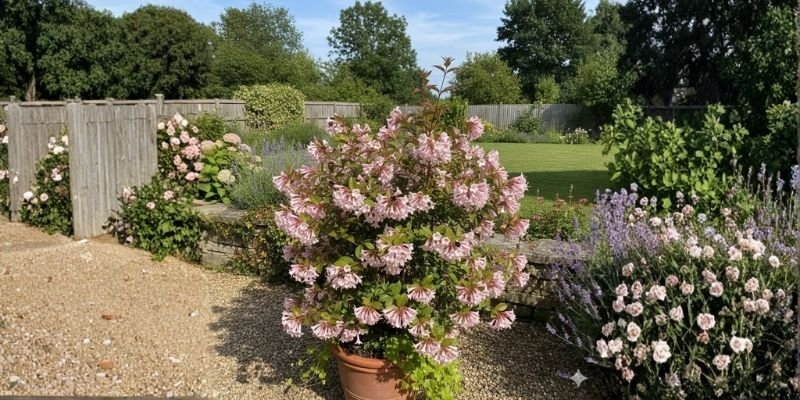
If you’ve ever wanted a shrub that just keeps giving—beautiful arching branches, shiny leaves that catch the light, and flowers that show up month after month—then the abelia plant is one you’ll fall for quickly. I’ve grown dozens of these over the years in different gardens, from humid Southern spots to cooler areas where winters bite a little harder, and they rarely disappoint. The abelia plant has this graceful, fountain-like shape with long, flexible branches that sway gently in the breeze. The foliage is glossy and often turns lovely shades of bronze or red in cooler weather, while the small, tubular flowers keep blooming from late spring right through fall, sometimes even longer in mild climates. They’re magnets for butterflies, bees, and hummingbirds, which is always a bonus in any yard.
People love planting the abelia plant along borders, as low hedges, or even as foundation plants near the house because they stay neat without much fuss. In mixed beds, they add that soft texture that ties everything together. Whether you’re new to gardening or just looking for something reliable that looks good most of the year, this shrub is a solid choice.
Here’s a quick rundown of the basics for the abelia plant (focusing on the popular glossy type):
Detail | Information |
Common Name | Glossy Abelia |
Botanical Name | Abelia × grandiflora (hybrid of Abelia chinensis and Abelia uniflora) |
Family | Caprifoliaceae (Honeysuckle family) |
Plant Type | Semi-evergreen to deciduous shrub |
Mature Size | 3–6 feet tall and wide (some varieties stay smaller or grow larger) |
Sun Exposure | Full sun to partial shade (best flowering in full sun) |
Soil Type | Well-drained; tolerates loamy, sandy, or clay as long as it drains well |
Soil pH | Slightly acidic to neutral (around 6.0–7.5 works fine) |
Bloom Time | Late spring through fall (often until first frost) |
Flower Color | White with pink tinge, sometimes deeper pink |
Hardiness Zones | 6–9 (some newer types push to zone 5 or 4 with protection) |
Native Area | Hybrid origin; parent species from East Asia |
Toxicity | Non-toxic to humans and pets (safe around kids and animals) |
Spring Care for Abelia Plant

Spring is when your abelia plant really wakes up after winter. If you’re in a colder zone, you might see some dieback from cold snaps—don’t panic, it usually bounces back strong. Start by cleaning up any dead or damaged branches right as new growth appears. This is also prime time for a light feeding with a balanced slow-release fertilizer to give it a boost for all those blooms ahead.
Water regularly if spring is dry, especially for newly planted ones. Aim to keep the soil evenly moist but not soggy. Mulch around the base (2–3 inches of organic material like shredded bark) to hold moisture and keep weeds down. In my experience, a good spring mulch makes a huge difference in how lush the foliage stays all summer.
Summer Care for Abelia Plant
Summer is the abelia plant‘s showtime. The flowers keep coming, and the shrub fills out nicely. Water deeply once or twice a week during hot, dry spells—about an inch per week total, including rain. Deep watering encourages those roots to go down deep, making the plant tougher against drought later.
Keep an eye on airflow; if branches get too crowded, thin them out lightly to prevent any fungal issues. Full sun brings the most flowers, but in really hot areas, a bit of afternoon shade helps prevent leaf scorch. Fertilize lightly in early summer if growth seems slow, but don’t overdo it—these shrubs aren’t heavy feeders.
Autumn Care for Abelia Plant
As days shorten, the abelia plant starts winding down, but it often keeps some color going. The foliage might turn bronze or reddish, adding nice fall interest. Reduce watering as temperatures cool—let the soil dry out a little more between drinks.
This is a good time to do any shaping if needed, but save heavy pruning for later. Add a fresh layer of mulch before the ground freezes to insulate roots. In milder areas, the plant stays semi-evergreen, giving you some winter green.
Abelia in Winter: Cold Weather Care & Protection
Here’s where many folks worry about their abelia in winter, especially in zones 6 or 7. The abelia plant is fairly tough, but extreme cold can cause dieback or leaf drop. In warmer zones (8–9), it often holds its leaves year-round.
For colder spots, pile on extra mulch—up to 4 inches around the base, keeping it away from the stems. This protects roots from freezing. If a hard freeze is coming, cover smaller plants with frost cloth or burlap for extra protection. Water well before the ground freezes so roots stay hydrated.
In harsh winters, the top growth might die back to the ground, but new shoots usually emerge in spring. Don’t cut back dead-looking branches until you see new growth—sometimes they’re alive lower down.
Indoor Abelia Care (Container-Grown Plants)
If you’re growing the abelia plant in a pot, winter care changes a bit. Containers freeze faster, so move them to a sheltered spot like against a house wall or into an unheated garage if temps drop below 20°F. Water sparingly—just enough to keep roots from drying out completely.
If you live in zone 5 or colder, bring potted abelia indoors to a bright, cool spot (around 45–55°F) for the winter. Keep leaves from dropping by avoiding dry heat.
Types of Abelia Plants
Over the years, breeders have given us some fantastic varieties of the abelia plant. Here are a few I recommend:
- Glossy Abelia (Abelia × grandiflora) — The classic one, with white-pink flowers and glossy green leaves that bronze in fall. Great for hedges or borders.
- ‘Kaleidoscope’ — Variegated gold and green leaves that turn orange-red in cooler weather. Compact and super colorful.
- ‘Little Richard’ — Dwarf type, stays 2–3 feet tall, perfect for small spaces or containers.
- ‘Edward Goucher’ — Lavender-pink flowers, more compact habit, good for colder zones.
- ‘Canyon Creek’ — Bronze new growth, pinkish flowers, and reliable fall color.
- ‘Radiance’ — Bright chartreuse foliage that holds up well in heat.
Newer ones like ‘Sweet Emotion’ are extra hardy, pushing into zone 4.
Pruning Abelia Plant
Pruning keeps your abelia plant looking tidy and encourages more flowers since blooms come on new wood. The best time is late winter or very early spring, before new growth starts. Cut back dead, damaged, or crossing branches, and thin out about a third of older stems to the ground for rejuvenation.
Shape lightly if you want a formal look, but I prefer letting it keep its natural arching form—it’s more graceful that way. For overgrown plants, you can cut back hard, even to 12–18 inches, and it’ll regrow vigorously.
Common mistakes? Pruning in late spring or summer (you lose flowers), or shearing like a boxwood (it ruins the natural shape and reduces blooms). Always use sharp, clean tools to avoid tearing branches.
Propagating Abelia Plant
The easiest way to make more abelia plants is from cuttings—softwood in early summer or semi-hardwood in late summer.
Step-by-step for softwood cuttings:
- Take 4–6 inch cuttings from new, non-flowering shoots in the morning.
- Remove lower leaves, leaving 2–3 sets at the top.
- Dip the cut end in rooting hormone.
- Stick into a pot of well-draining mix (like sand/perlite/peat).
- Water well, cover with a plastic bag or dome for humidity.
- Place in bright, indirect light; keep moist.
Roots usually form in 4–8 weeks. Pot up once rooted, and grow on until next spring.
Semi-hardwood works similarly but takes a bit longer. Seeds aren’t reliable for named varieties.

Abelia in Winter – How to Protect from Cold
Let’s dive deeper into abelia in winter protection, since cold is the biggest challenge in many areas. Mulch heavily in late fall—organic stuff like leaves or bark chips—to insulate roots. In zones 6–7, plant in sheltered spots (south-facing walls help) to avoid wind burn.
For sudden freezes, use frost blankets. Water before freezes so soil holds heat. In containers, group pots together and wrap with burlap. If dieback happens, wait for spring regrowth—most recover well.
Common Pests & Plant Diseases
The abelia plant is pretty trouble-free, but watch for:
- Aphids — Small sap-suckers that cluster on new growth. Hose them off or use insecticidal soap.
- Spider mites — Tiny pests causing stippled leaves. Increase humidity and spray with water or miticide.
- Powdery mildew — White powder on leaves in humid, shady spots. Improve airflow and avoid overhead watering.
- Anthracnose — Spotty leaves from wet conditions. Prune for better circulation.
Prevention is key: good drainage, proper spacing, and full sun reduce most issues.
How to Keep Abelia Plant Healthy & Blooming
For the best show, plant in full sun, well-drained soil, and water consistently the first year. Fertilize lightly in spring, mulch annually, and prune at the right time. Deadhead spent blooms if you want to tidy up, but it’s optional. Good airflow prevents diseases, and drought tolerance kicks in once established. With these basics, your abelia plant will reward you with years of easy color.
FAQs – Abelia Plant Care
1. Is the abelia plant evergreen?
It depends on your zone. In zones 8–9, yes—semi-evergreen or fully evergreen. In zones 6–7, it often drops leaves in abelia in winter but regrows in spring.
2. How cold hardy is the abelia plant?
Most handle down to zone 6, with some varieties to zone 5. Protect in colder areas with mulch.
3. Why isn’t my abelia plant blooming much?
Too much shade, over-fertilizing, or late pruning. Full sun and spring pruning help.
4. Can I grow abelia in winter indoors?
Yes, for potted ones in cold zones—keep cool and bright.
5. How do I protect abelia in winter from frost?
Mulch roots, cover during freezes, and shelter from wind.
6. Why do leaves turn bronze on abelia plant?
Normal in fall; adds nice color before winter.
There you have it—everything you need to grow and enjoy the abelia plant through the seasons, including solid tips for handling abelia in winter. Once established, these shrubs are among the most rewarding in the garden. Happy planting!