In This Article
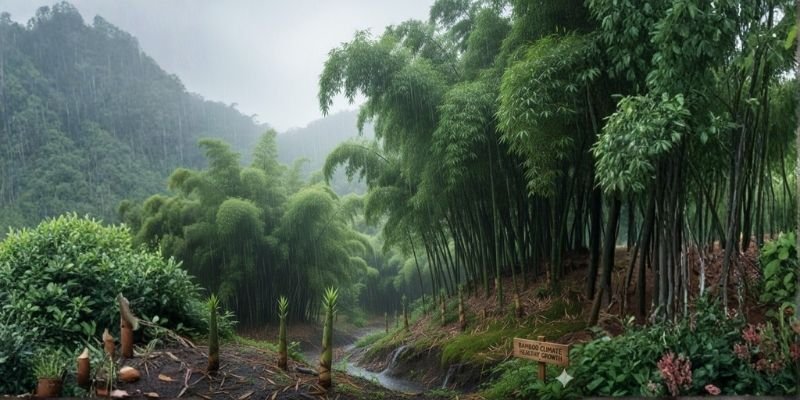
Bamboo growing zones are climate areas where different types of bamboo can live and thrive. They are often linked to USDA hardiness zones, which show the lowest winter temperatures. Bamboo grows in a lot of different places, from hot, humid Asian forests to cold, snowy mountain slopes. Some types like heat and humidity, while others don’t mind frost and snow. If you get the bamboo climate right, you can choose species that will not only survive but also grow like crazy, sending up those beautiful new shoots every spring.
Knowing where bamboo grows best in your area and what the climate is like can save you a lot of trouble. If you put a tropical clumper in a cold place, it will sulk or die. If you put a cold-hardy runner in hot weather without enough water, it will scorch. But if you match them up well, bamboo can be one of the most rewarding plants you ever grow. It grows quickly, doesn’t need much care once it’s established, and is great for privacy screens, windbreaks, or just to give your yard an exotic look.
Here’s a straightforward table of some popular bamboo types I’ve worked with over the years. These are based on real-world performance in gardens I’ve seen and grown myself.
Common Bamboo Type | Botanical Group | Ideal Growing Zones (USDA) | Temperature Tolerance (Low/High) | Sunlight Needs | Water Requirements | Cold Hardiness Notes | Heat Tolerance Notes |
Fargesia murielae (Umbrella Bamboo) | Clumping | 5–9 | -20°F to 90°F+ | Partial shade preferred | Consistent moisture | Excellent, survives deep freezes | Moderate, dislikes extreme heat |
Fargesia rufa (Green Panda) | Clumping | 5–9 | -15°F to 95°F | Partial to full shade | Regular, even in summer | Very good for cold areas | Prefers cooler summers |
Phyllostachys aurea (Golden Bamboo) | Running | 6–10 | -5°F to 100°F+ | Full sun to partial | Moderate, drought-tolerant once established | Good, recovers from cold damage | Handles hot summers well |
Phyllostachys bissetii | Running | 5–9 | -10°F to 100°F | Full sun | Moderate to high | One of the toughest cold hardy | Very heat tolerant |
Bambusa multiplex (Hedge Bamboo) | Clumping | 8–10 | 12°F to 100°F+ | Full sun to partial | High, loves humidity | Moderate, protect in colder zones | Excellent in hot, humid areas |
Bambusa oldhamii (Giant Timber) | Clumping | 8–11 | 20°F to 105°F | Full sun | High during growth | Fair, not for cold winters | Thrives in subtropical heat |
Phyllostachys nigra (Black Bamboo) | Running | 6–10 | -5°F to 95°F | Full sun to partial | Moderate | Solid for temperate zones | Good heat tolerance |
These are just general rules. Microclimates, soil, and protection can change things a bit. I’ve pushed some zone 8 clumpers into zone 7 by putting a lot of mulch on them!
Understanding Bamboo Climate Requirements

Bamboo isn’t very picky, but the climate you give it affects how quickly it grows and how healthy it stays. The weather, the amount of rain, the humidity, the wind, and the seasons all have an effect. Most bamboos like it when it’s not too hot or too cold and there is a lot of water, but some types are different.
Tropical Bamboo Climate
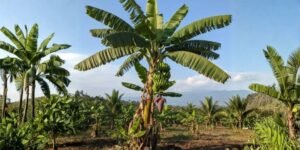
This is the classic bamboo paradise: it stays warm all year (70–95°F), has high humidity, and gets a lot of rain (60–100+ inches a year). Picture Southeast Asia or some areas of Florida and Hawaii. Bambusa vulgaris and Dendrocalamus, for example, grow very quickly here, reaching heights of 2 to 3 feet in a day during wet seasons. They don’t like frost, so if your bamboo growing areas get below 20°F, don’t use these unless you’re in a greenhouse.
Subtropical Bamboo Climate
Winters are not too cold (rarely below 30°F), summers are hot and humid, and there are clear wet and dry seasons. This works for a lot of popular clumpers, like Bambusa multiplex and some Bambusa oldham.ii. Rainfall of 40 to 70 inches is fine, but you may need to water more during dry spells. These areas where bamboo grows are found in a lot of the southern U.S., along the coast of Australia, and in parts of southern Europe.
Temperate Bamboo Climate
Winters are cooler, with freezes down to 0°F or lower. Summers are warm, and there is moderate rain (30–60 inches). This is where running types like Phyllostachys really shine because they are made for it. A lot of them can handle snow and bounce back in the spring. I’ve seen Phyllostachys aureosulcata do well in places with real winters.
Cold-Hardy Bamboo Climate
Cold winters (between -10°F and -20°F), short growing seasons, but still warm summers. Fargesia species and other mountain-origin clumpers are the best here. They like summers that are cooler and some shade. These places in the northern U.S., parts of Europe, and higher elevations in Asia are good for growing bamboo.
Bamboo Growing by Region
Bamboo Growing in the USA
The U.S. has zones 4 in the north and 11 in the south. In zones 5–8 (the Midwest, Northeast, and Pacific Northwest), cold-hardy runners (Phyllostachys) do very well. Subtropical clumpers do best in zones 8–10, which include the Southeast and the California coast. In the Southwest, you should use irrigation to grow plants that can handle heat.
Bamboo Growing in Asia
The homeland! In Southeast Asia (Indonesia and Thailand), tropical species are the most common. In southern China and India, subtropical species are the most common. In central China and Japan, temperate species are the most common. In the Himalayas (Fargesia), cold-hardy species are the most common.
Bamboo Growing in Europe
Most of the time, it’s temperate to subtropical. In the UK, Germany, and France (zones 7–9), Fargesia and hardy Phyllostachys do well. Coastal areas with mild weather can handle more variety.
Bamboo Growing in Australia & Other Regions
For many species, northern Australia is a tropical paradise. Temperate runners do well in the southern parts. In South America and Africa, native and non-native bamboos grow well in the same areas.
Best Bamboo Climate for Different Bamboo Types
Bamboo Clumping and the Perfect Climate
Clumpers are less intrusive and maintain order. They favor a subtropical climate (warm, humid, no deep freezes) over a tropical bamboo climate. The exceptions are fargesia, which are cold-hardy clumpers found in temperate regions.
Managing Bamboo and the Perfect Climate
Runners are better at handling cold and spread quickly. Perfect for growing bamboo with freezes in temperate climates. To keep them under control, use barriers!
Climate Requirements for Indoor Bamboo
With the exception of lucky bamboo (Dracaena), true indoor bamboos require high humidity, bright indirect light, and temperatures between 65 and 85°F. Excellent for novices in any area.
Bamboo Growing for Home Gardens & Landscaping
First, look at your USDA zone and the weather in your area. If you live in a colder area, choose Fargesia or hardy Phyllostachys for privacy hedges. If you live in a hot place, choose plants that like heat, like Bambusa. Make sure the soil is rich, well-drained, and slightly acidic. Most plants need 4–6 hours of sunlight a day, so make sure the sunlight matches. If it doesn’t rain, water the plants. Start small. I’ve learned the hard way that having high hopes in the wrong bamboo climate can lead to disappointment.

Seasonal Bamboo Care Based on Climate
Taking care of bamboo in hot weather
Water deeply two to three times a week, put down a thick layer of mulch, and keep young plants in the shade. In the spring and summer, add fertilizer.
Taking care of bamboo in the winter
Cover the roots with 4 to 6 inches of mulch, wrap the young culms, and keep them out of the wind. Most hardy kinds come back.
Taking care of bamboo in rainy or monsoon climates
To stop rot, make sure there is drainage. Thin out crowded clumps so air can flow.
Common Problems When Bamboo Climate Is Incorrect
Too cold, too hot, or too dry can cause problems with bamboo, such as slow growth, yellow leaves, frost damage (for tender types), or dieback (for extreme heat). For cold weather, use mulch; for hot weather, use water and shade; and choose better-suited varieties.
Tips to Adapt Bamboo to Your Local Climate
Use a lot of mulch, plant in safe places, use containers for areas that are only slightly protected (bring them inside in the winter), windbreaks for areas that are exposed, and water them regularly. This is how I’ve been able to move Bambusa to cooler places.
FAQs – Growing Zones & Bamboo Climate
1. What are the best places to grow things?
The best options are in zones 7–9, where the weather is not too hot or too cold.
2. Will bamboo grow in cold places?
Yes, a lot of Phyllostachys and Fargesia can handle temperatures between -10°F and -20°F.
3. Is it better for beginners to run or clump?
It’s easier to control clumping; running needs barriers.
4. What kind of weather do Fargesia like for bamboo?
Great for temperate zones: cooler, partly shady, and high humidity.
5. How low can Phyllostachys stand?
Many to -10°F or lower; they lose their leaves but grow back.