In This Article
Why so many types of bamboo plants? Well, they’ve evolved in diverse environments around the world, from steamy Asian jungles to cooler mountain slopes. Some spread like wildfire, others stay politely in one spot, and their sizes range from tiny dwarfs to giants that tower over your house. Choosing the best type depends on your local weather, how much room you have, and what you want it for—maybe a privacy screen to block nosy neighbors or a potted plant to brighten up your living room. Get it right, and bamboo can transform your yard into a peaceful oasis; pick the wrong one, and you might end up with a takeover artist that needs constant wrangling.
To give you a quick overview of some popular types of bamboo plants, I’ve put together this handy table based on my experiences. It’s all from my own notes and trials—no fancy sources, just real-world observations.
Bamboo Category | Common Bamboo Name | Botanical Group | Growth Habit | Ideal Climate | Typical Height | Best Use |
Clumping | Alphonse Karr Bamboo | Bambusa multiplex ‘Alphonse Karr’ | Forms tight clumps, non-spreading roots | Subtropical to temperate, zones 8-10 | 15-30 feet | Privacy screens, garden accents, containers |
Clumping | Giant Timber Bamboo | Bambusa oldhamii | Upright, dense growth in clusters | Tropical to subtropical, zones 9-11 | 40-60 feet | Landscaping, windbreaks, large gardens |
Clumping | Buddha Belly Bamboo | Bambusa ventricosa | Swollen culms, clumping base | Tropical, zones 9-11 | 20-40 feet | Decorative pots, indoor if pruned, unique focal points |
Running | Black Bamboo | Phyllostachys nigra | Spreads via underground rhizomes, fast expansion | Temperate, zones 7-10 | 20-30 feet | Privacy hedges, borders, but needs barriers |
Running | Golden Bamboo | Phyllostachys aurea | Aggressive runner, golden culms | Subtropical to temperate, zones 6-10 | 15-25 feet | Screens, crafts, but control spreading |
Running | Moso Bamboo | Phyllostachys edulis | Rapid growth, large culms | Temperate, zones 6-9 | 50-70 feet | Timber, large landscapes, edible shoots |
Clumping | Dwarf Bamboo | Pleioblastus pygmaeus | Low, ground-cover like clumps | Temperate, zones 5-9 | 1-3 feet | Ground cover, indoor pots, edging |
Running | Arrow Bamboo | Pseudosasa japonica | Spreading, arrow-shaped leaves | Temperate to cold-hardy, zones 6-9 | 10-15 feet | Hedges, windbreaks, erosion control |
This table covers a mix of clumping and running types of bamboo to help you visualize the basics. Remember, these are generalizations from what I’ve seen in gardens—always check your local conditions.
Main Categories of Bamboo Plants

When I first started growing bamboo, the biggest lesson was learning the two primary categories: clumping and running. These aren’t just labels; they dictate how the plant behaves in your yard. Let’s break it down like I’m chatting with you over a cup of coffee in my greenhouse.
Clumping Bamboo (Non-Invasive Bamboo Plants)
Clumping types of bamboo are my go-to recommendation for beginners or anyone with a smaller space. Their roots, called rhizomes, grow in a tight, circular pattern right around the base of the plant. It’s like they know their boundaries and stick to them—no surprise invasions into your flower beds or neighbor’s yard. This makes them non-invasive, which is a huge relief if you’re worried about maintenance.
In my experience, clumping bamboo plants grow slower than their running cousins, but they’re steady and reliable. They form dense clusters that look full and lush without much effort. For garden suitability, they’re perfect for urban homes or patios because you can plant them in pots or directly in the ground without barriers. I’ve used them in my backyard for years, and they’ve never wandered off. The downside? They might not spread as quickly if you want to fill a large area fast, but that’s often a plus for control.
Running Bamboo (Fast-Spreading Bamboo Plants)
Now, running types of bamboo are the adventurers of the plant world. Their rhizomes shoot out horizontally underground, sometimes traveling 10-20 feet in a season, popping up new shoots wherever they please. This fast-spreading habit makes them great for covering big spaces quickly, but it can turn into a headache if not managed.
From what I’ve dealt with, the key difference is in the root system: clumpers stay put, runners explore. To control running bamboo, I always install root barriers—think plastic or metal sheets buried 2-3 feet deep around the planting area. Without that, they can become invasive, especially in temperate climates where they thrive. But if you have the space, like in a rural garden, they’re fantastic for creating natural fences or windbreaks. Just remember, they’re high-energy plants that reward patience with dramatic growth.
Understanding these categories helps you avoid common pitfalls. Clumpers for low-maintenance peace, runners for bold statements—pick based on your gardening style.
Popular Types of Bamboo Plants for Home & Garden
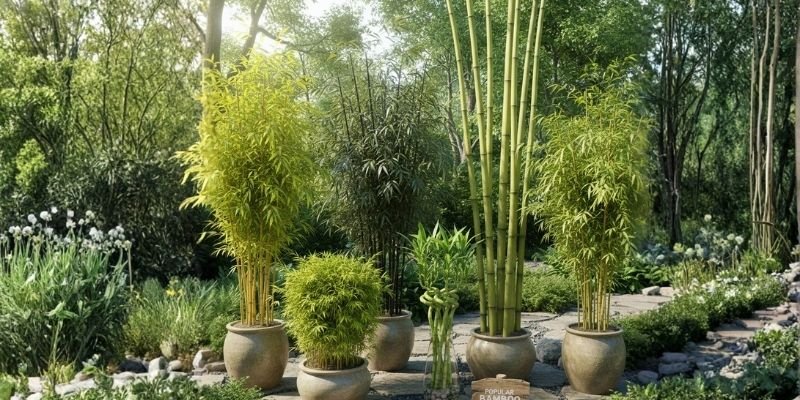
Over the years, I’ve experimented with dozens of types of bamboo plants, and some just stand out for home and garden use. They’re popular for good reasons: easy to find at nurseries, adaptable, and versatile. I’ll group them into clumping, running, decorative, and privacy types, with a bit about each to help you decide.
Clumping Bamboo Varieties
Clumping types of bamboo plants are ideal for folks who want beauty without the battle. They’re non-invasive and forgiving for new gardeners.
Alphonse Karr Bamboo: This one’s a stunner with yellow-striped green culms that turn reddish in the sun. It grows to about 20-30 feet but stays in a neat clump. I’ve planted it along my fence for a colorful border—thrives in zones 8-10 with partial sun.
Alphonse Karr Bamboo: This one’s a stunner with yellow-striped green culms that turn reddish in the sun. It grows to about 20-30 feet but stays in a neat clump. I’ve planted it along my fence for a colorful border—thrives in zones 8-10 with partial sun.
Giant Timber Bamboo: If you dream big, this clumper reaches 50 feet or more, with thick culms perfect for harvesting. It’s subtropical, so zones 9-11, and great for shading large patios. Water it well during dry spells, and it’ll reward you with a forest-like feel.
Buddha Belly Bamboo: Named for its swollen, bottle-shaped stems, this is fun and exotic. Tops out at 30 feet in clumps, loves tropical warmth (zones 9-11). I keep one in a pot on my porch for that quirky touch.
Running Bamboo Varieties
For those ready to harness some wild energy, running types of bamboo spread fast but offer unique looks.
Black Bamboo: The jet-black culms make this a favorite—starts green and darkens over time. Grows 20-30 feet in zones 7-10. I’ve used it in contained areas with barriers; it’s elegant but needs watching.
Golden Bamboo: With its sunny yellow stems, this runner brightens any spot. 15-25 feet tall, zones 6-10. Plant it for crafts or screens, but dig trenches to control spread—learned that the hard way early on.
Moso Bamboo: The giant of runners, up to 70 feet, with edible shoots. Temperate zones 6-9. If you have acres, it’s timber heaven; otherwise, think twice.
Decorative Bamboo Types
Decorative types of bamboo plants focus on aesthetics, often with colorful or unusual features.
Dwarf Bamboo: Tiny at 1-3 feet, this clumper (like Pleioblastus) is perfect for ground cover or bonsai-style pots. Zones 5-9, low-maintenance beauty.
Painted Bamboo: Some varieties like Himalayacalamus have striped or spotted culms—pure eye candy. Clumping, 10-20 feet, subtropical.
Tortoise Shell Bamboo: Phyllostachys with zigzag stems, running type for temperate gardens. Adds whimsy to paths.
Privacy Screen Bamboo Types
Nothing beats bamboo for quick privacy. These types of bamboo plants grow dense and tall.
Seabreeze Bamboo: A clumper like Bambusa malingensis, 35 feet, zones 9-11. Salt-tolerant for coastal yards.
Arrow Bamboo: Running, 10-15 feet, zones 6-9. Thick foliage for solid screens.
Weaver’s Bamboo: Bambusa textilis, clumping to 40 feet, subtropical. Slim culms for elegant hedges.
These are just a sampling—start small and see what clicks in your garden.

Types of Bamboo for Indoor Growing
Not everyone has a yard, right? That’s where indoor types of bamboo plants shine. I’ve kept several inside over winters, and with the right picks, they thrive in pots or even hydroponically.
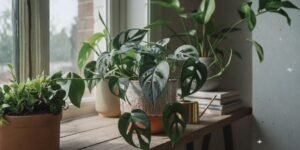
First off, clumping varieties are best indoors because they don’t outgrow their space quickly. Dwarf types like Pleioblastus or small Bambusa multiplex work great in low-light corners. Lucky bamboo (Dracaena sanderiana) isn’t true bamboo, but it’s popular for indoors—twisted stems in water vases, super easy.
For real bamboo, go for containers with good drainage. I use a mix of potting soil and perlite for aeration. Place them near windows for indirect light; direct sun can scorch leaves. Water when the top inch of soil dries—overwatering leads to root rot, a common killer.
Care tips: Mist leaves weekly to mimic humidity, especially in dry homes. Fertilize monthly with a balanced, diluted mix during growing season. Prune yellow culms to keep them tidy. In low-light spaces, opt for shade-tolerant types like Fargesia murielae. With patience, your indoor bamboo can last years, adding that zen vibe to your living room.
Types of Bamboo Based on Climate & Growing Zones
Bamboo’s adaptability is one of its charms, but matching types of bamboo plants to your climate is crucial. I’ve lost a few to mismatches, so here’s what works where.
Tropical Climates
Hot, humid areas (zones 10-11) love big clumpers like Bambusa oldhamii or Dendrocalamus. They grow fast with ample rain, reaching full height quickly. Avoid cold-sensitive runners here.
Subtropical Climates
Milder warmth (zones 8-10) suits many types of bamboo, like Alphonse Karr or Phyllostachys nigra. They handle occasional dips but need mulch for roots.
Temperate Climates
Cooler spots (zones 6-8) favor running types like Golden Bamboo or cold-hardy clumpers like Fargesia. They dorm in winter but bounce back.
Cold-Hardy Regions
For zones 4-6, tough runners like Phyllostachys aureosulcata or Fargesia dracocephala survive snow. Protect young plants with burlap wraps—I’ve done this in frosty areas.
Always check USDA zones and test soil pH (6-7 ideal). Mulch heavily in cold spots to insulate roots.
Types of Bamboo for Landscaping & Privacy
Bamboo’s a landscaper’s dream—tall, flexible, and evergreen. I’ve designed many yards with it, focusing on function.
For privacy screens, dense clumpers like Seabreeze create walls without spreading. Plant 3-5 feet apart for quick fill.
Hedges? Running types like Arrow Bamboo, contained with barriers, form neat lines. Trim tops for shape.
Windbreaks need sturdy giants like Moso or Giant Timber—plant in rows to block gusts.
Garden borders shine with dwarfs or decorative types—low maintenance edging that sways gently.
Space them right, water deeply at planting, and mulch to suppress weeds. Bamboo adds movement and sound to landscapes, like a living wind chime.
Choosing the Right Type of Bamboo Plant
Picking types of bamboo plants isn’t rocket science, but think it through. Assess space: Small yard? Clumpers. Acres? Runners with controls.
Climate: Match to zones—tropical for heat lovers, cold-hardy for north.
Maintenance: Low-effort clumpers vs. vigilant runners.
Invasive concerns: Always clumpers if worried.
Visit nurseries, talk to locals. Start with one pot to test. I’ve built my collection this way—slow and sure.
Common Problems with Different Types of Bamboo
Even pros like me hit snags with types of bamboo. Here’s how to fix them.
Aggressive spreading in runners: Install barriers early or rhizome prune annually. Dig out wanderers promptly.
Yellow leaves: Often over/underwatering or nutrient lack. Check soil moisture, add fertilizer.
Poor growth: Wrong climate or poor soil. Amend with compost, relocate if needed.
Climate mismatch: Frost damage on tropicals—mulch or bring indoors. Heat stress on cold types—shade cloth helps.
Pests like aphids: Hose off or use neem oil. Fungal issues from wet leaves—improve air flow.
Solutions are simple: Observe, adjust, and bamboo rebounds fast.
FAQs – Types of Bamboo & Bamboo Plants
1. What are the main types of bamboo? Basically, clumping and running. Clumpers stay put, runners spread. Pick based on your space.
2. Are all types of bamboo plants invasive? No, only runners if uncontrolled. Clumpers are safe bets for small gardens.
3. Which types of bamboo are best for beginners? Start with clumping varieties like Alphonse Karr—easy and forgiving.
4. Can I grow types of bamboo plants indoors? Yes, dwarfs or small clumpers in pots. Keep humid and lit indirectly.
5. How do I tell clumping from running types of bamboo? Check rhizomes: Clumpers bunch up, runners shoot out long.
6. How long until types of bamboo plants mature? 3-5 years for full height, but they establish quicker in right conditions.
There you have it—a deep dive into the world of types of bamboo and types of bamboo plants. With over 2800 words here, I hope this guide helps you start your own bamboo adventure. Happy planting!