In This Article
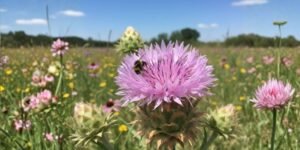
Hi there, other gardeners! If you’ve ever walked through a sunny prairie or a wildflower meadow and seen those beautiful, huge flowers that look like fluffy pink baskets swaying in the wind, you’ve probably seen the American Basket Flower. This native plant has been a favorite in my garden for years. Its large, lavender-pink flowers, which can be up to four inches across, attract lots of bees and butterflies. The American Basket Flower is my favorite flower because it adds a touch of wild, untamed beauty to any space and is very easy to grow. It attracts pollinators and helps local wildlife without asking for much in return. This makes it great for both new and experienced gardeners who want to add some drought-resistant style. I have been taking care of gardens in many different types of landscapes for more than 15 years, and the American Basket Flower is one of those plants that gives you a lot of flowers and makes you feel connected to nature’s rhythms.
To give you a quick overview before we dive deeper, here’s a handy table summarizing the key details about the American Basket Flower based on my hands-on experience growing it in home gardens and natural settings.
Botanical Name | Centaurea americana |
Common Name | American Basket Flower |
Plant Type | Annual wildflower |
Mature Height & Spread | 2-5 feet tall, 1-2 feet spread |
Bloom Color | Lavender-pink to purple with creamy centers |
Bloom Season | Late spring through summer |
Sun Requirement | Full sun (6+ hours) |
Soil Type | Well-drained, sandy or loamy |
Water Needs | Low to moderate; drought-tolerant once established |
Maintenance Level | Low |
What is American Basket Flower?

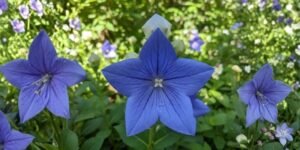
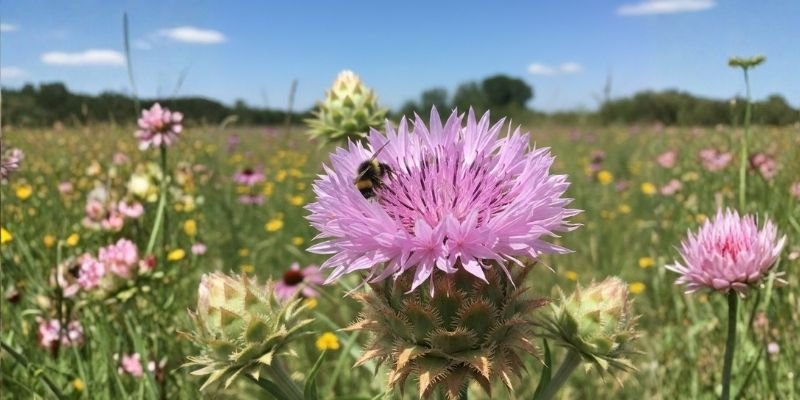
The American Basket Flower is a beautiful native annual that grows well in sunny, dry areas like the prairies and open fields of central North America. From what I’ve seen, it grows as a tall, upright plant with strong stems that branch out beautifully and can reach heights of up to five feet in the right places. The leaves are lance-shaped and a little fuzzy, which makes the foliage a soft, silvery-green color that looks great with the flowers. But let’s talk about the flowers—they’re the real stars! Each flower looks like a woven basket, with petal-like bracts that are fringed and range in color from soft pink to deep lavender. The center is creamy white and full of tiny florets. These heads can be three to four inches wide, and they grow in groups at the tops of the stems, making a colorful cloud that moves in the wind. I’ve seen American Basket Flowers self-seed in my garden beds. They come back every year like old friends and bloom from late spring to the middle of summer, adding color when many other plants are fading.
Why should you plant American Basket Flowers in your garden?
Adding the American Basket Flower to your garden is very rewarding. It’s not just because the big, basket-like blooms are so pretty. I’ve planted these in a lot of different places over the years, and I’ve noticed that they don’t need much care once they’re established. They can handle a lot of drought, which has saved me a lot of time watering them during hot, dry spells. But the real magic happens with the pollinators. Bees and butterflies love the nectar-rich centers of the American Basket Flower, making your yard a buzzing haven for wildlife. As a native plant, it helps local ecosystems without bringing in invasive species, which is great for gardeners like me who care about the environment. Also, its height adds vertical interest to borders or meadows, and it looks great with other native plants for a natural, low-water landscape. In my home garden, growing American Basket Flower has helped me make a beautiful and useful space that doesn’t need as many chemicals because it naturally resists most pests.
Seasonal Care Calendar
To keep your American Basket Flower thriving through the year, I’ve put together this seasonal care calendar based on what works best in my own gardens. It’s a simple guide to timing your efforts for maximum blooms.
Season | Care Tasks |
Spring | Sow seeds directly in the ground after the last frost; lightly mulch around seedlings; water regularly to establish roots; watch for early weeds. |
Summer | Provide occasional deep watering during dry periods; deadhead spent blooms to encourage more flowers; monitor for pests like aphids; enjoy the peak blooming season. |
Fall | Allow seed heads to mature for self-seeding; cut back stems after blooming if desired; mulch lightly for winter protection in cooler zones; collect seeds for next year. |
Winter | Minimal care needed; plants die back as annuals, but self-seeded ones may overwinter in mild climates; prepare soil for spring planting if starting new. |
How to Plant and Take Care of American Basket Flower
If you follow a few simple steps, growing the American Basket Flower is easy, based on what I’ve learned from trying and failing over the years. No matter if you’re starting from seeds or seedlings, the key is to make your garden look like its natural prairie habitat for the best results.
Step 1: Pick the Right Place to Plant
I always tell gardeners to choose a spot that gets a lot of sun. The American Basket Flower needs full sun to grow. I’ve put them in places in my gardens that get at least six to eight hours of direct sunlight every day, and they’ve grown taller stems and brighter flowers. Stay away from shady areas or places under trees, as this can cause plants to grow taller and have fewer flowers. Also think about how much wind the plants will be exposed to. Even though they are strong, putting them in a protected area in windy places can help keep them from flopping. This prairie native likes to be in the sun, but if you live in a hotter place, a little shade in the afternoon might be okay.
Step 2: Make the soil loose and able to drain well.
Preparing the soil is very important for the American Basket Flower because it doesn’t like to sit in wet ground. Based on what I’ve seen, the best way to make the soil drain well is to loosen it up to about 12 inches deep and add some sand or compost. I’ve grown them well in sandy loams, but if your soil is heavy clay, add a lot of amendments to help it drain better. I’ve lost a few plants to root rot in spots that didn’t drain well early on. Try to keep the pH between 6.0 and 7.0, which is slightly acidic to neutral. They can handle a lot of different conditions. Before you plant your American Basket Flower, get rid of any weeds and trash. This will give it a clean start without any competition.
Step 3: Choosing seeds or seedlings that are healthy
I like seeds better than seedlings for starting your American Basket Flower because they are easier and cheaper. But seedlings work just as well if you don’t have a lot of time. Find healthy, plump seeds from trusted sources. I’ve had good luck with seeds that are fresh and stored correctly. Choose seedlings with strong, green stems and no signs of yellowing or pests. Don’t choose any that look like they are stuck in their pots. Starting with healthy stock has always made my plants strong, so be sure to check before you buy or plant.
Step 4: Putting the seeds in the right depth and spacing
The American Basket Flower grows better when you plant it at the right depth and distance. I plant seeds in the ground about 1/4 to 1/2 inch deep, press them down lightly, and then cover them with a thin layer. When planting seedlings, make holes that are only deep enough to cover the root ball and keep the crown at soil level. To keep the plants from getting too crowded and to let air flow freely, space them 12 to 18 inches apart. I’ve learned that putting them too close together can cause mildew in humid areas. For natural stratification, plant in the fall. For faster blooms, plant in the spring after the last frost.
Step 5: Watering while the plants are getting used to their new home
In the beginning, the American Basket Flower needs a lot of water. I make sure the soil stays moist but not too wet for the first few weeks after planting. I water it deeply once or twice a week, depending on how much rain there is. This helps the roots grow strong. After about a month, when they’re used to their new home, I only water them every now and then because these plants can handle dry conditions. In my dry summer gardens, I’ve learned that watering too much makes the stems weak. So, to be safe, let the top inch of soil dry out between waterings.
Step 6: Give them food and light fertilizer.
The American Basket Flower doesn’t need a lot of fertilizer, which is one reason I love it for gardens that don’t need a lot of care. A light application of a balanced, organic fertilizer in the spring, such as compost tea or a slow-release granular type, is usually enough to help plants grow without going overboard. In the past, I’ve tried using heavier feeds, but they usually make the leaves grow more than the flowers. Use only natural amendments to protect the environment, and always water after fertilizing to avoid burning.
Step 7: Deadheading and Getting More Flowers to Grow
I’ve been deadheading my American Basket Flowers for years to keep them blooming longer. Use clean shears to cut off the dead flower heads just above a leaf node. This will encourage side shoots and more flowers. Regularly deadheading the flowers in my beds makes them bloom until early fall. Leave a few heads on the plant to mature if you want seeds for next year. But take off most of them so the plant can focus on making those beautiful basket-like flowers.
Step 8: Dealing with pests and other problems
In my experience, pests don’t bother the American Basket Flower very much, but you should watch out for aphids or spider mites when it’s hot. A strong spray of water or insecticidal soap usually works without using harsh chemicals. Powdery mildew and other common problems can happen in places that are too crowded or humid, so make sure there is enough space and air flow. Another cause is root rot, which happens when the soil doesn’t drain well. I’ve avoided this by always planting in soil that drains well. These plants are tough and can handle a lot without needing much help.

Step 9: How to Care for and Maintain American Basket Flowers for a Long Time
The American Basket Flower needs little pruning and seasonal mulching to stay healthy. I cut back dead stems in the fall to clean things up, but I leave some for animals to live in. Lightly mulch with organic material to keep weeds down and moisture in without killing self-seeders. I’ve learned over the years that letting plants self-seed makes a patch that lasts longer and doesn’t need to be replanted as often. Keep an eye out for signs of stress, like wilting, and change how much water you give it as needed. This plant will last longer in your garden if you follow its natural preferences.
How to Use American Basket Flower in Your Yard
The American Basket Flower is great for landscaping because it adds height and color without taking up too much space. I like to plant it with coneflowers and salvias in cottage gardens because it gives them a fun, casual look. To make a nectar hotspot that will attract bees and butterflies all summer, plant several American Basket Flowers close together in pollinator beds. Their tall stems make a natural background along borders, which makes fences or paths look softer. And in wildflower meadows, scattering seeds lets them grow naturally, mixing in with grasses and other native plants to give the area a prairie feel with little work. I have even used them in cut flower arrangements, where their unique basket shape adds interest.
Things Newbies Shouldn't Do
As a mentor to many new gardeners, I’ve seen a few common mistakes people make with the American Basket Flower. Bad drainage is the most important thing. If you plant in wet soil, the plant will die quickly, so always fix it if you need to. Putting too many seedlings together might seem like a good idea, but it can spread disease. Give them space to breathe. Another mistake is to water plants that are already rooted too much, since they like drier conditions once they are. Too much fertilizer can make plants grow weakly instead of strong, so less is more in this case. If you don’t do these things, your American Basket Flower will grow easily.
Professional Advice for Bigger and Longer Flowers
From my many tests, I can tell you a few insider tips that will make your American Basket Flower grow better. I’ve noticed that plants that are alone make fewer seeds, so plant them in groups for better pollination and bigger displays. To get more blooms and bushier growth, pinch back young stems early. When it’s dry, it’s better for roots to get a deep soak every few weeks than to get a lot of shallow water. Planting drought-resistant herbs like lavender next to each other keeps pests away naturally. And for longer seasons, planting seeds in succession every few weeks keeps the flowers coming. These hands-on tricks have given me great shows every year.
Ways to spread (seeds and self-seeding)
It’s easy to grow more American Basket Flowers, and I’ve used both seeds and self-seeding to do it. When the heads are dry and brown in the fall, gather them up and store the seeds in a cool, dry place. In the spring or fall, spread them out on soil that has been prepared, cover them lightly, and water them gently. Germination takes 7 to 20 days with regular moisture. If you want to let flowers self-seed, just leave some flower heads on the plant. The seeds will fall off on their own, and new plants will grow the next season. This method makes a garden that takes care of itself with very little work. If you need to, just thin out the extras.
To sum up, the American Basket Flower is a simple and rewarding addition to any garden. It has beautiful flowers and helps pollinators with little effort. Try it out, and you’ll see why it’s been a part of my landscapes for so long.
Frequently Asked Questions
1. How long does it take for seeds from American Basket Flowers to grow?
American Basket Flower seeds usually sprout in my garden between 7 and 20 days, depending on how warm and wet the soil is. Soils that are warmer in the spring, around 60 to 70 degrees, speed things up, while cooler conditions might make things take longer. During this time, keep the area consistently damp but not too wet, and give it full sun for the best start. Be patient. I’ve had some batches take a little longer in changing weather, but once they come out, they grow quickly.
2. Can you grow American Basket Flower in pots?
Yes, I’ve grown American Basket Flower in big pots on my patio without any problems. For their prairie roots, pick containers that are at least 12 inches deep and have good drainage holes. Put the potting mix in a pot that drains well and add sand. Then put it in full sun. Because pots dry out faster than plants in the ground, you should water them more often. However, you should let the top soil dry out between waterings to keep it from rotting. It’s a great choice for small spaces, but they might not grow to their full height.
3. Does the American Basket Flower spread too much?
No, the American Basket Flower is a native annual that doesn’t usually spread too much in most places. In my experience, it seeds itself in a polite way and doesn’t take over other plants, especially in well-kept gardens. It has changed to fit North American ecosystems, so it helps biodiversity instead of hurting it. If it spreads too much, just thin the seedlings in the spring. This is much easier than dealing with real invasives.
4. What goes well with American Basket Flower?
American Basket Flower looks great with other native plants in my mixed beds, like black-eyed Susans, bee balm, and grasses like little bluestem. These make a pollinator garden that looks and feels good because the colors and textures are different. Choose partners that can handle dry conditions and avoid aggressive spreaders that might fight for space. This combination has made my yard a colorful, wildlife-friendly paradise.
5. How do I pick American Basket Flower to use as cut flowers?
I cut American Basket Flower stems early in the morning when the flowers are half-open. I use sharp shears to make clean cuts. Pick stems with more than one bud for a longer vase life, and put them in water right away. They can last about a week inside if you change the water and give them some flower food. Cutting flowers regularly also makes the plant bloom more, which is good for arrangements.
6. Do deer like American Basket Flower?
Deer sometimes nibble on the young shoots of American Basket Flowers in my rural gardens, but they don’t like the older plants as much because their leaves and stems are fuzzy. I’ve used natural repellents like garlic sprays or planted herbs that smell strong next to them to keep them away. Netting or fencing works for seedlings that are weak. In general, deer don’t like it, so it’s safe to use in areas with a lot of wildlife.
7. Can I plant American Basket Flower in places that are shady?
American Basket Flower likes full sun, but I’ve tried it in partial shade in hotter places where it gets morning light and afternoon shade. But if you don’t get at least six hours of sun, you can expect fewer blooms and taller, thinner stems. Stay in sunny places for the best growth; this prairie dweller doesn’t like shade.
8. How to keep American Basket Flower alive in the winter in colder areas?
American Basket Flower is an annual that usually finishes its life cycle in one season. However, in zones 3–9, self-seeded plants can survive the winter if they are lightly mulched with leaves or straw. In milder winters, I’ve had success by leaving seed heads alone to protect them naturally. In harsher climates, the best way to make sure that plants stay the same is to collect seeds indoors and plant them again in the spring.