
In This Article
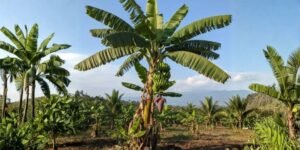
Hey, garden lovers! Have you ever fantasized about a tropical paradise, right outside your door? Let me introduce you to the banana tree. Having gardened in warm climates for over fifteen years, I’ve grown quite fond of these remarkable plants. A banana tree offers more than just fruit; it’s a striking ornamental that can turn any area into a verdant, exotic oasis. Imagine those wide, vivid green leaves dancing in the wind, bringing vertical interest and texture to your garden. And the best part? With some attention, you can enjoy your own harvest of sweet, homegrown bananas.
They’re not trees, not really. These enormous herbaceous perennials, members of the Musa genus, emerge from rhizomes hidden beneath the soil. People cultivate banana plants at home for a couple of compelling reasons: the striking appearance that instantly transforms a garden into a tropical paradise, and the simple pleasure of harvesting fruit that’s far superior to what’s found in stores. I’ve grown varieties such as Cavendish and Lady Finger in my Haryana garden, where the heat mirrors their native Southeast Asian habitat. It’s a gratifying endeavor, though it requires both time and a bit of expertise. Whether you’re in a subtropical region or using pots indoors, a banana plant injects vitality and abundance. Let’s explore further.
To get you started on solid ground, here’s a quick reference table with key info on the banana tree plant based on my hands-on experience.
Field | Details |
Botanical Name | Musa spp. (commonly Musa acuminata or Musa balbisiana hybrids) |
Common Name | Banana tree |
Plant Type | Herbaceous perennial |
Mature Height & Spread | 10-25 feet tall, 6-10 feet wide depending on variety |
Climate Requirement | Tropical to subtropical; USDA zones 9-11, or protected in cooler areas |
Sun Requirement | Full sun (6-8 hours daily) for best growth and fruiting |
Soil Type | Rich, loamy, well-draining with plenty of organic matter |
Water Needs | High; keep soil consistently moist but not waterlogged |
Maintenance Level | Moderate; regular watering, feeding, and pruning required |
How to Grow a Banana Tree

Cultivating a banana tree from a mere seedling has been a highlight of my gardening experience. I’ve raised countless plants, observing their transformation from tiny offshoots to impressive harvesters. Contrary to what you might think, it’s not overly complicated, provided you approach it with care. I’ll outline the entire process, sharing insights gleaned from my own successes and failures in the garden.
Step 1: Choose the Right Location
The key to a thriving banana tree begins with choosing the right location. From what I’ve seen, these plants thrive in warmth and need a bit of shielding—consider them sunbathers that aren’t fond of the cold. I usually opt for a south-facing spot in my garden, ensuring they soak up at least six to eight hours of direct sunlight daily. Without this, your banana tree might stretch skyward, but the fruiting will be sparse, and the leaves can appear dull. Wind is another foe; those expansive leaves are prone to tearing, so I always plant mine close to a fence or building for some protection.
If you’re in a place with a chilly winter, like some areas of India, a container is a smart move. That way, you can bring your banana tree inside when the temperature drops. Good drainage is essential, too. Don’t let water collect in any low spots, because root rot can be fatal. I learned that the hard way, losing a young tree because I put it in a shady spot. Also, plan for their size; they can spread out to ten feet. And make sure there’s room for mulch to help keep the roots warm.
Step 2: Select a Healthy Banana Tree Plant
Choosing the right banana tree is the starting point. I’ve had good luck with plants from local nurseries, and I’ve also started my own by splitting off pups from trees already growing in my yard. When you’re shopping, look for a strong plant: healthy pups or suckers around three to four feet tall, with no yellowing leaves or any signs of rot. Avoid anything that seems wilted or has pests; a quick look at the base for firm rhizomes is a good idea. The variety you pick matters, too. If you’re growing them at home, I recommend dwarf varieties like Dwarf Cavendish.
They don’t get too big, usually topping out around 8 to 10 feet, and they bear fruit reliably.
If you’re in a warmer area, think about going for the taller types, like the Grand Nain. Before you get started with a rhizome, check that it’s in good shape and free of any diseases. I’ve had good luck growing my own banana trees by dividing the suckers in the spring. No matter what you choose, it’s a good idea to keep any new plants separate for a week to see if anything’s wrong. A strong start will help your banana tree get going faster, which means you’ll see growth and fruit sooner.
Step 3: Prepare Rich, Well-Draining Soil
Soil preparation is the first step in cultivating a healthy banana tree. These plants are voracious eaters, which is why I always enrich the soil with plenty of organic material. Dig a hole that’s at least twice the size of the root ball, and then blend in compost, aged manure, and a touch of sand to improve drainage. A pH level somewhere between 5.5 and 7.0 is best; a slightly acidic environment is preferable. In my clay-dominated Haryana soil, I’ve incorporated perlite to keep the soil from becoming too compacted.
Cover the ground with banana leaves or straw to keep the moisture in and keep the weeds down. When planting in pots, go for a big one – at least 15 gallons – and fill it with a good potting mix. I’ve watched banana trees suffer in bad soil, becoming stunted and yellow, so don’t cut corners. If you’re unsure about your soil, test it. I once added lime to mine to get the balance right, and it really boosted the plant’s health
Step 4: Planting the Banana Tree Correctly
Planting a banana tree is a thrill, but getting it right is key to avoiding problems down the line. I usually aim for early spring, when the soil is starting to warm up. Dig a hole that’s wide enough, and then position the banana tree so the rhizome is just below the surface—roughly 1 to 2 inches deep. Carefully backfill, making sure to firm the soil to get rid of any air pockets. Water it thoroughly right away to help the roots settle in. If you’re planting several, give them some space, about 6 to 10 feet apart, to allow for good air circulation. If you’re using containers, make sure they have drainage holes to prevent waterlogging. I’ve also planted them in groups to create a grove, which seems to help with humidity. If everything’s just right, your new banana tree should perk up within a few days.
Step 5: Watering for Strong Growth
Water is essential for a banana tree; these plants are essentially tropical water hogs. During the hotter months, I give mine a good soaking twice a week, ensuring the soil stays as damp as a sponge that’s been squeezed out. Morning time is best for watering , as it minimize evaporation. When the rains come, I cut back to prevent overwatering, which can lead to fungal problems. If they’re in pots, I check them daily because they dry out more quickly. I’ve set up drip irrigation in my garden to keep things consistent, and the growth has really taken off. If you see the leaves curling, that’s a sign they’re thirsty, so don’t wait. Mulching helps keep moisture in, and during dry spells, I mist the leaves to boost humidity. With the right watering, a banana tree can become a strong, fruit-bearing plant.
Step 6: Feeding and Fertilizing Regularly
Feeding is what keeps your banana tree thriving, producing those impressive leaves and, eventually, fruit. I fertilize every four to six weeks during the growing season, using a balanced 8-10-8 mix that’s high in potassium—bananas really appreciate this for developing their bunches. Organic alternatives, such as compost tea or fish emulsion, are also effective. Apply it around the drip line, avoiding the base of the plant. In winter, cut back on feeding as growth slows down. I’ve tried burying banana peels nearby to provide natural potash, and it seems to enhance the flavor. Keep an eye out for deficiencies: yellowing edges can indicate a nitrogen shortage. Regular feeding has consistently resulted in abundant harvests from my banana tree plants, year after year.
Step 7: Supporting Growth and Pruning
As your banana tree grows, a little care goes a long way. Those hefty bunches of fruit need some support; I find bamboo poles, loosely tied to the pseudostem, work well. Regularly snip away dead leaves with clean shears to keep diseases at bay. Remove all but a couple of suckers; these are the plants’ way of reproducing after the parent has fruited. I’ve allowed mats to form for a fuller look, but thinning them out can boost your harvest. If you’re in a windy spot, trim any torn leaves to keep things neat. This kind of attention helps your banana tree grow tall and strong.
Step 8: Protecting from Pests, Diseases, and Cold
Pests and other troubles can appear out of nowhere, but staying alert is key to keeping your banana tree healthy. Aphids and spider mites are often found on the undersides of leaves; a strong spray of water or neem oil will usually do the trick. For diseases such as black sigatoka, remove any affected leaves and apply fungicides only as needed. If you live in a cooler area, wrap the stems in burlap or bring potted plants indoors when temperatures fall below 50°F. I’ve had success fighting Panama disease by rotating the planting locations and choosing resistant varieties. Ensuring good air circulation helps prevent many problems. Taking steps to protect your banana tree will pay off in the long run.

Step 9: Long-Term Care and Fruit Development
A banana tree embodies a cycle of life, a process of constant renewal. Once it bears fruit, typically within nine to fifteen months of being planted, the main stem perishes. You simply cut it down, and the suckers that sprout around the base take its place. The best time to pick bananas is when they are full-sized but still green. Don’t waste the old stems; compost them to enrich the soil. I’ve managed to keep banana groves thriving in my garden for more than ten years using this method. Keep an eye on things to prevent overcrowding, and divide the plants as necessary. Given a little time, your banana tree will reward you with both beauty and a generous harvest.
Cultivating a banana tree at home, in the end, is a genuinely rewarding experience. Give it the care it needs, and you’ll be rewarded with both the fruit and a taste of the tropics right in your own backyard. It’s a lesson in patience, a reminder of the simple joys of connecting with nature. Try it; you’ll see.
FAQs –
1. How long does it take for a banana tree plant to produce fruit?
From planting a pup, you’re looking at a wait of anywhere from nine to eighteen months, though it really depends on the specific variety and the environment. I’ve found that warmer climates tend to accelerate things. My Cavendish, for instance, produced fruit in roughly a year, thriving in full sun and well-amended soil. The process begins with a flower stalk shooting up from the top, which then gives way to the small bananas. Patience is essential, and consistent care is vital to keep things on track.
2. Can I grow a banana tree plant indoors?
If you’ve got plenty of light and room, go for it. A big pot and grow lights can help. I’ve successfully kept dwarf varieties inside through the winter, watering less often and fertilizing once a month. They bring a nice splash of green indoors, though they might not produce as much fruit without the warmth of the outdoors. Ideally, aim for temperatures between 70 and 80 degrees Fahrenheit, along with high humidity.
3. What are common mistakes when growing a banana tree plant?
Overwatering is a recipe for rot, while under-fertilizing can really hold things back. I learned the hard way, drowning a young plant because I didn’t pay attention to the drainage. And don’t forget about suckers; ignoring them can lead to a cramped situation. The key is to start small, watch closely, and make adjustments as needed.
4. How do I overwinter a banana tree plant in cooler climates?
Trim the foliage, then carefully lift the rhizome. Store it in a cool, dark place – a basement, perhaps, where the temperature hovers around 45-50°F. Alternatively, a deep layer of mulch outdoors will do the trick. I’ve had success overwintering mine in pots indoors, cutting back on watering to avoid mold. When spring arrives, replant to bring it back to life.
5. Are banana tree plants toxic to pets?
The foliage and berries are usually fine, though too much of a good thing might upset a cat or dog’s stomach. I’ve never had any problems in my pet-friendly garden, but it’s always smart to be cautious. If you’re worried, stick with the non-toxic options.
6. How much space does a banana tree plant need?
Allow for a spread of six to ten feet per plant. When grown in mats, they can create clumps reaching up to fifteen feet across. I’ve arranged mine in my plot with this in mind, ensuring there’s room for harvesting. It’s important to plan ahead, considering their eventual size.
7. What companion plants work well with a banana tree plant?
Ginger, turmeric, and legumes such as beans are all nitrogen-fixers. I’ve also planted marigolds alongside them to help with pest control. This approach fosters a kind of mini-ecosystem, improving the overall health of the plants without them fighting over nutrients.
8. Why are the leaves on my banana tree plant turning yellow?
Nutrient deficiency, too much water, or cold weather could be the culprits. First, check the soil’s moisture level, then apply a balanced fertilizer. In my experience, a potassium shortage was frequently the problem. It’s best to fix it fast to bring the plant back to life.