In This Article
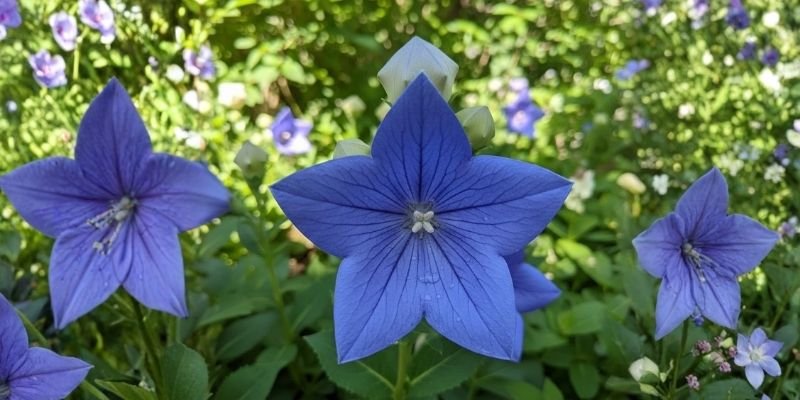
Hey, garden enthusiasts! If you’ve strolled past a sunny border and noticed those delightful, balloon-like buds that eventually unfurl into starry blue flowers, you’ve likely met the Astra Blue Balloon Flower. Having nurtured perennials in my own garden for more than a decade and a half, I can confidently say this one’s a real winner. A compact version of the traditional balloon plant, scientifically named Platycodon grandiflorus ‘Astra Blue’, it’s celebrated for its dependable summer blooms, bringing a splash of sky-blue charm without requiring excessive care.
Why is it such a prized addition to home gardens? For starters, it’s remarkably resilient, often keeping the deer at bay. Plus, those peculiar, balloon-shaped buds are a joy to observe as they swell and then pop open, revealing their vibrant hues. If you’re just starting out or have been gardening for years, getting the hang of balloon flower care for this particular type will give you a dependable perennial that comes back even better with each passing season.
To give you a quick snapshot before we dive into the details, here’s a handy table summarizing the key traits of this balloon plant:
Field | Details |
Botanical Name | Platycodon grandiflorus ‘Astra Blue’ |
Common Name | Astra Blue Balloon Flower |
Plant Type | Herbaceous Perennial |
Mature Height & Spread | 12-18 inches tall, 12-15 inches wide |
Bloom Color | Deep Blue |
Sun Requirement | Full Sun to Partial Shade |
Soil Type | Well-Draining, Loamy or Sandy |
Water Needs | Moderate, Evenly Moist but Not Soggy |
Maintenance Level | Low |
How to Care for Astra Blue Balloon Flower

Caring for the Astra Blue Balloon Flower isn’t exactly a PhD thesis; it’s more akin to tending to a dependable companion in your garden. I’ve cultivated many of these beauties in different corners of my yard over the years, and they’ve shown me that a solid start is the key to success. Balloon flower care hinges on recreating their natural environment: cool, temperate areas with good drainage and ample sunlight. Let’s go through the entire process, step by step, so you can cultivate your own flourishing balloon plant.
Step 1: Choose the Right Planting Location
Choosing the right location is key to keeping balloon flowers healthy. From what I’ve seen, Astra Blue does well in borders, rock gardens, and even pots, as long as it has room to breathe. It’s best to find a spot that’s somewhat protected from harsh winds; those big, fluffy buds are surprisingly delicate. I’ve had good luck planting mine near low shrubs, which offer some natural shielding.
Steer clear of low spots where water tends to pool; this balloon plant isn’t fond of soggy roots, and root rot is a genuine concern. If you’re in a cooler zone, say 3-8, where this perennial thrives, look for a location that offers morning sun and afternoon shade, especially in hotter areas, to avoid leaf burn. Believe me, a little garden planning now translates to healthier plants and more colorful flowers later on.
Step 2: Provide Ideal Sunlight Conditions
Sunshine is the secret ingredient for a thriving balloon plant. In my experience, Astra Blue really shines when it gets a solid six hours of direct sunlight each day. It can tolerate some shade, especially in hotter climates. But, if it doesn’t get enough light, the stems become leggy and the flowers are fewer. Conversely, too much intense afternoon sun during a blistering summer can dull those lovely blue blooms. I once tried relocating a clump to a shadier area. It survived, but the flowers were noticeably smaller and less abundant. To give your balloon flower the best care, take a look at how light moves across your space throughout the day. Morning sun is less harsh and promotes strong growth. If your balloon plant is in a pot, turn it now and then to make sure it gets even light. This will keep your plant happy and blooming beautifully from mid-summer onwards.
Step 3: Prepare Nutrient-Rich, Well-Draining Soil
Soil preparation can be a bit of a headache, but it’s essential if you want your balloon flowers to thrive over time. They like their soil on the slightly acidic side, ideally with a pH somewhere between 6.0 and 7.0. Drainage is key, so loamy or sandy soils are the way to go. I discovered that mixing compost and perlite into the heavy clay in my garden made a huge difference, dramatically improving drainage. No more yellowing leaves from roots that couldn’t breathe.
Incorporating organic matter, such as well-rotted manure or leaf mold, delivers a slow-release nutrient boost, which is easier on the roots. Should you have any doubts about your soil’s pH level, garden center test kits are readily available and simple to use. Steer clear of soil that’s compacted or overly saturated; it can suffocate the root system. Preparing the bed correctly gives your Astra Blue the best chance to thrive, ensuring it’s a reliable choice for your perennial garden.
Step 4: Planting the Balloon Plant Correctly
For successful balloon flower cultivation, both the timing and the method of planting are key. I generally plant them in the spring, after the danger of frost has passed, or in early fall, giving the roots a chance to settle before winter arrives. The hole should be twice the width of the root ball, but not deeper; the crown of the plant should be level with the soil to avoid rot. Space the plants twelve to eighteen inches apart, allowing room for their eventual growth. If the roots are cramped in their pot, gently loosen them. Then, backfill with your prepared soil, pressing it down to remove any air pockets. Water thoroughly immediately afterward to help everything settle. In my experience, starting with nursery transplants yields faster results than starting from seed, which can be tricky. This method helps your balloon plant get established well, resulting in those characteristic inflated buds within the first growing season.
Step 5: Watering for Strong Root Development
Watering balloon flowers is a delicate dance; too much or too little, and you’re in trouble. The goal is steady moisture, particularly in that crucial first year, which helps the roots dig in. I give them a good soak once a week, allowing the top inch of soil to dry out between waterings. This encourages a plant that’s tough and resilient. During dry spells, a layer of mulch—bark or straw works well—around the base will keep the moisture in and choke out weeds. I’ve seen firsthand what overwatering can do, with mushy stems being the unfortunate result of a particularly wet season. If you’re growing Astra Blue in a pot, keep a closer eye on it, as containers dry out more quickly. Consistent hydration is key; it will help your balloon plant become a drought-resistant beauty that will thrive each spring.
Step 6: Feeding and Fertilizing the Plant
Feeding your balloon plant correctly is essential for its health, and it’s a crucial aspect of balloon flower care. I use a balanced, slow-release fertilizer in early spring, right as the plant starts to grow again. A 10-10-10 formula, diluted to half its strength, works well. It’s best to steer clear of fertilizers that are heavy on nitrogen, as they tend to encourage foliage growth at the expense of blooms. A light application of compost mid-season provides a boost of natural nutrients. From what I’ve seen, too much fertilizer leads to weak, floppy stems, so it’s better to err on the side of caution. Once or twice a year is plenty for this plant, which doesn’t require a lot of food. If your soil is already nutrient-rich, you might not need to fertilize at all. This careful approach helps ensure consistent growth and a profusion of blue flowers, making your Astra Blue a standout in the garden.
Step 7: Supporting Growth and Pruning
Supporting and pruning are both straightforward and effective methods for keeping a balloon plant looking its best. When the stems start to reach for the sky, I use unobtrusive bamboo stakes to prop up the taller ones, preventing them from collapsing, particularly after a downpour. Regularly deadheading those spent flowers is key to encouraging reblooming; it directs the plant’s energy toward producing new buds. Come late fall, I cut the plant back to the ground once the leaves have withered, though I always leave a few stems standing for winter interest and protection. I’ve found that pinching the tips in early summer results in a bushier plant, which translates to more blooms. This hands-on approach to balloon flower care keeps the plant compact and productive, giving you a tidy, flower-filled display year after year.
Step 8: Managing Pests, Diseases, and Common Problems
No plant escapes trouble entirely, but a little foresight goes a long way with balloon flowers. Slugs and snails are drawn to those soft, new shoots. I’ve found crushed eggshells or beer traps to be pretty effective deterrents. Aphids can show up, too; a good blast of water from the hose or a neem oil spray usually does the trick. Keep an eye out for powdery mildew, especially in humid areas. Improving airflow and steering clear of watering from above helps. The biggest threat, though, is root rot, which stems from poor drainage. Make sure your soil drains well from the beginning. Deer sometimes take a nibble in my garden, but a repellent spray keeps them away. Regularly checking your plants allows you to spot problems early, so your Astra Blue can focus on blooming, not fighting off pests.

Step 9: Seasonal and Long-Term Balloon Flower Care
Seasonal changes dictate how to care for balloon flowers over the long haul, ensuring your balloon plant flourishes. In spring, it’s time to divide those crowded clumps every three to four years to give them a fresh start. I always take care to do this without hurting the delicate roots. Summer is all about regular watering and deadheading the spent blooms. As fall approaches, mulching becomes important for winter protection, especially in colder areas. The plant will die back during the winter, but it always comes back. Over time, I’ve found that planting it alongside echinacea or salvia attracts more pollinators. From my experience, patience is key—this perennial improves with age, often self-seeding in a gentle way. By adjusting your care to the seasons, your Astra Blue will become a garden staple, providing pleasure with minimal effort.
To sum it up, the Astra Blue Balloon Flower is a dependable, easy-care option for any home garden, provided you stick to the basic care guidelines. Its charming buds and vibrant flowers offer a simple, enduring beauty, which is why it’s a staple in my yard – and probably will be in yours as well.
FAQs –
1. What makes Astra Blue different from other balloon flower varieties?
Astra Blue distinguishes itself with its smaller stature and richer blue tones, unlike its taller, pinker relatives such as the typical Platycodon. During my own garden tests, it consistently remains under 18 inches, making it ideal for front borders, and the blooms retain their color longer when exposed to partial shade. Furthermore, it’s more resistant to urban pollution, a trait I’ve observed to be beneficial in city gardens. If you’re selecting plants and have limited space, Astra Blue is the way to go if you’re after that vibrant blue without the need for staking.
2. Can I grow Astra Blue Balloon Flower in containers?
Definitely, it’s a favorite of mine for pots. A good potting mix with perlite is essential, and make sure the container is at least a foot across to give the roots room to grow. Water them more frequently than if they were planted in the ground, but let the soil dry out a bit between waterings. I’ve successfully kept mine in pots over the winter, moving them to a protected garage in zone 5, and they’ve always come back. Just be sure the pots have drainage holes to keep things from getting too soggy, like they would in the ground.
3. How do I propagate Astra Blue Balloon Flower?
Propagation is simple, whether by division or seeds. If you’re dividing, wait until spring, then carefully dig up the plant. Separate the healthy sections, ensuring they have roots, and replant them right away; I’ve managed to double my plants this way. Seeds, however, require cold stratification. Start them indoors in late winter, and then transplant them outside once they’ve acclimated. Remember, patience is essential; it can take a year for the seedlings to flower. Root cuttings are best avoided, as this plant’s taproot system doesn’t respond well to them.
4. Why are my balloon flower buds not opening?
Buds sometimes remain shut tight because of stressors. Things like erratic watering or a nutrient deficiency can do it. During a heatwave, I’ve noticed this when the soil dries out excessively; a good, deep watering often brings them back. Pests, such as thrips, can also be the culprits, so a close inspection is a good idea. Make sure they’re getting plenty of sunlight, too, because shade can slow down the opening process. Tinkering with these elements typically gets those buds to unfurl within a few days.
5. Is Astra Blue Balloon Flower deer-resistant?
It’s pretty tough, though not completely impervious to deer. In my garden out here, they nibble now and then, particularly on the tender new growth. Planting it alongside strongly scented herbs, such as lavender, seems to help keep them away. A bit of light netting or an organic repellent spray does the trick without causing any damage. In general, its resilience makes it less attractive to wildlife compared to more delicate annuals.
6. How long does Astra Blue Balloon Flower live?
With the right attention, it can flourish as a perennial for a decade or longer. My own plants have been going strong for over ten years, growing more robust with each passing year. Their lifespan hinges on keeping the roots undisturbed and applying winter mulch. Should they begin to fade, dividing them can be a revitalizing move, almost like hitting the reset button.
7. What companions pair well with Astra Blue Balloon Flower?
It looks great next to low-growing plants like coreopsis, which provides a pop of yellow, or sedum, which adds texture. In my own garden, I find that combining it with ornamental grasses brings a sense of movement, and the bees seem to enjoy it when it’s near coneflowers. To keep things looking good and easy to care for, pick sun-loving perennials that have similar water requirements.
8. Can Astra Blue handle extreme weather?
It can survive frigid temperatures, even down to -30°F, provided it’s mulched. However, extreme heat, particularly when it climbs above 90°F, can cause temporary wilting; a little shade cloth can mitigate this. I’ve observed its remarkable ability to recover from drought once it’s settled in. If you’re in a wetter area, raised beds are a good idea to ensure proper drainage. Its versatility means it’s a resilient choice for most temperate gardens.