In This Article
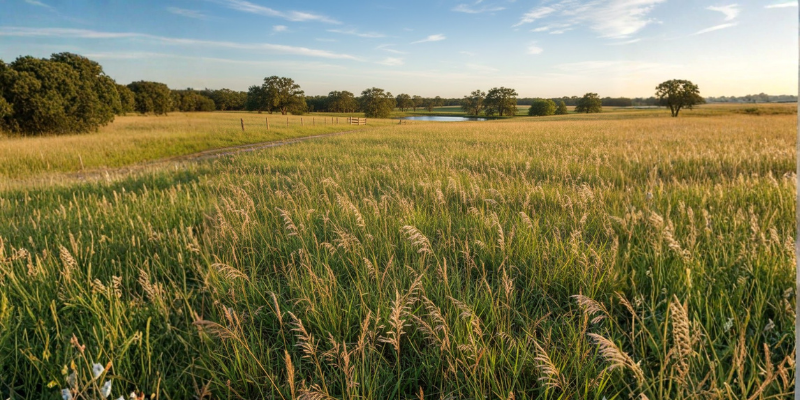
Living in Florida means you’re up against that blazing sun, sudden storms, and the sandy ground that can make keeping a lawn looking good feel like a constant chore. As a homeowner in this state, I’ve tried out a lot of different grasses over the years, and I can honestly say that Bahia grass is my top choice for a beautiful, hardy yard that doesn’t cost a fortune or require a ton of work. If you’re fed up with lawns that demand constant attention and fade away in the heat, figuring out how to grow Bahia grass in Florida might be the answer to your prayers for a low-maintenance green space. It’s tough, it handles our coastal conditions like a champ, and it flourishes where other grasses fail. In this guide, I’ll share everything I’ve learned from my own experience transforming bare spots into flourishing lawns.
Before we dive in, here’s a quick overview of Bahia grass specs to get you oriented:
| Attribute | Details |
|---|---|
| Botanical Name | Paspalum notatum |
| Common Name | Bahia Grass |
| Grass Type | Warm-season perennial |
| Climate | Tropical and subtropical |
| Sun Requirement | Full sun (6-8 hours daily) |
| Soil Type | Sandy, well-drained, tolerant of poor fertility |
| Maintenance Level | Low |
| Drought Tolerance | High |
How to Grow and Care Bahia Grass In Florida
Growing Bahia grass in Florida? It’s really about understanding our specific conditions: those scorching summers, the relatively mild winters, and, if you’re on the coast, the salt in the air. I’ve assisted friends and neighbors with their lawns, and the secret is straightforward: patience and a simple approach. You don’t need a lot of expensive gear; just stick to these basic steps, and you’ll end up with a resilient lawn that’s built to last in our climate.
Step 1: Select the Right Location
The initial advice I offer anyone considering Bahia grass in Florida is simple: choose the right location. This grass thrives in full sun, so look for areas that receive a minimum of six to eight hours of direct sunlight daily. From what I’ve seen, shaded areas, especially those beneath large oaks or palms, are a poor match. The grass tends to thin out, and weeds take over. Also, think about your yard’s drainage. Bahia grass does best in well-drained, sandy soils, which are typical throughout Florida, from the Panhandle to the Keys.
If your property sits in a flood-prone zone, such as certain areas of South Florida, consider raising the site a bit or selecting a different type of grass. Foot traffic is another factor to weigh. While this grass is tough enough for play areas, it’s not the best choice for areas with heavy shade or where it will be subjected to constant wear, like near pools. I’ve witnessed lawns struggle because homeowners planted in areas where tree roots were a problem, so take a good look at your yard and maybe test a small area first if you’re not sure.
Step 2: Choose the Correct Planting Season
Timing is crucial for a successful Bahia grass lawn in Florida. Based on my own experiences, the ideal planting period is late spring to early summer—April to June, to be precise—when soil temperatures are in the 65-70°F range. This is when germination occurs consistently, without the threat of a cold snap that could slow things down. In North Florida, where winters can be a bit chillier, it’s best to wait until after the last frost, typically around mid-April.
Down in Miami or Tampa, you can get away with planting a bit sooner, thanks to our temperate climate. Don’t bother with fall planting, though; the shorter days and cooler nights just slow things down, making your lawn a prime target for weeds come winter. I once planted in July, during a rainy period, and it turned out fine, but the heat really cranked up the need for watering. If you stick to the ideal season, you’ll see those sprouts popping up in two to three weeks, giving you a solid start on growing Bahia grass in Florida’s ever-changing weather.
Step 3: Prepare the Soil
Preparing the soil is a vital step when establishing Bahia grass in Florida, given the region’s often sandy, nutrient-deficient soils. Begin by removing any existing weeds, stones, and old grass. For smaller areas, I find a sod cutter or simply digging it out by hand works well. Next, test the soil’s pH. Bahia grass thrives in slightly acidic conditions, ideally between 5.5 and 6.5. While this is common in Florida, a simple kit from the hardware store will confirm it. If the pH is too high, incorporate sulfur; if it’s too low, lime the soil.
Loosen the top four to six inches of soil with a tiller to get some air in there. Don’t go any deeper, though, or you’ll hit that hardpan we often have around here. If your soil is really sandy, mix in a little organic matter, like compost. But don’t go crazy with it – Bahia grass actually does best in lean soil. If you’re near the coast, keep an eye out for salt buildup; a good wash with fresh water can help. I’ve prepared a lot of lawns this way, and skipping this step usually means patchy growth. So, take your time and get a good base.
Step 4: Spread Bahia Grass Seed Evenly
The real excitement of establishing Bahia grass in Florida comes after the ground’s ready: sowing the seed. I prefer top-notch, hulled seeds, aiming for roughly 5-10 pounds per 1,000 square feet. The hulled variety tends to sprout quicker in our sticky weather. To ensure even distribution, a broadcast spreader is your best bet. Walk in straight lines, overlapping your path a bit to prevent any naked patches. If you’re working with a bigger space, split the seed in two and spread it in opposite directions.
Lightly incorporate the seeds into the uppermost quarter-inch of soil; they need just a little coverage to germinate. Given Florida’s breezy climate, a gentle roll with a lawn roller can help, pressing the seeds in without overly compacting the earth. I’ve had success with this technique on sloped yards in Central Florida, and a thin layer of straw mulch will help prevent erosion during those sudden afternoon downpours. This even application is key to establishing a dense, consistent lawn that can withstand the heat.
Step 5: Water for Germination
Watering properly during germination is key to how to grow Bahia grass in Florida, where evaporation is high. Right after seeding, give the area a thorough soak to moisten the top inch of soil, then keep it consistently damp but not soggy – aim for light, frequent watering twice a day for the first two weeks. In our dry spells, especially in the interior like Orlando, use sprinklers early morning to minimize loss to wind and heat. As sprouts appear around week two or three, reduce to deeper watering every other day to encourage root growth. I’ve learned the hard way that overwatering leads to fungal issues in Florida’s humidity, so check soil moisture by sticking your finger in; if it’s dry an inch down, water. Transition to once-a-week deep soaks once it’s start, mimicking our natural rainfall patterns. This approach builds drought tolerance early on.
Step 6: First Mowing at the Right Time
Knowing when to make that first cut is a key, yet frequently ignored, detail in cultivating Bahia grass here in Florida. The initial mowing should happen when the grass is roughly 3-4 inches high, which typically falls around 4-6 weeks after you’ve seeded. When you do mow, set the mower to take off no more than a third of the blade. I find that keeping mine at 2-3 inches works well for Bahia, encouraging a thicker growth pattern in our warm weather. It’s best to mow in the evening, too, to spare the young plants from the heat of the day.
In Florida, where a downpour can kickstart a lawn’s growth, you’ll likely find yourself mowing every week once it’s settled in. That initial cut, though, is crucial. I’ve watched lawns get butchered too soon, resulting in vulnerable patches that weeds quickly claim. To avoid tearing, always use sharp blades. And don’t bag the clippings; leave them on the grass. They act as a natural mulch, recycling nutrients back into our sandy soil.
Step 7: Fertilize Lightly
Fertilizing is where many mess up when trying to grow Bahia grass in Florida, but less is more with this low-maintenance grass. Apply a slow-release nitrogen fertilizer at 1 pound per 1,000 square feet in late spring, then again in early fall – avoid midsummer to prevent burn in our intense heat. Choose formulas with iron if your soil tests low, as Florida’s sands often lack it, causing yellowing. I broadcast it evenly on a calm day, followed by watering to activate. Over-fertilizing leads to thatch buildup and runoff into our waterways, so I’ve switched to organic options like compost tea for a gentler boost. Monitor for deficiencies; if blades look pale, a light application helps, but Bahia’s natural tolerance means you won’t need monthly feeds like other grasses.

Step 8: Control Weeds Naturally
Weed control, done without the heavy artillery of chemicals, is key to growing Bahia grass successfully in Florida, especially if you want to do it right. The first step is to cultivate a robust lawn. Proper mowing and watering are essential; a thick carpet of grass will choke out unwelcome guests like crabgrass and dollarweed, which thrive in our damp environment. Get out there and pull weeds by hand as soon as you see them, particularly after a rain when the soil is soft. If you’re facing a bigger problem, corn gluten meal can be a good pre-emergent option in the spring. It’s safe for pets and children, which is a definite plus. In coastal Florida, where salt-tolerant weeds can be a real nuisance, mulching bare patches can help. I generally avoid broadleaf herbicides unless absolutely necessary, as they can put Bahia grass under stress, especially in the heat. From what I’ve seen, staying on top of things is the best approach. let things go for a season, and it took months to get best results.
Step 9: Maintain Consistent Care
Ongoing care is the key to successfully growing Bahia grass in Florida over the long haul. Keep your lawn mowed to a height of 3 to 4 inches. If your soil is sandy, aerate it once a year to avoid compaction. Overseed any sparse patches in the spring. Be on the lookout for pests, particularly chinch bugs, which are common in South Florida; neem oil is a natural remedy that often does the trick. During dry winters, you’ll need to water your lawn to keep it green, though Bahia grass will naturally go dormant. After a storm, be sure to rake up any debris to prevent smothering.
For more than ten years, I’ve kept my lawns this way, and the payoff is a yard that withstands hurricanes and heat with very little effort.
To sum it up, Bahia grass is a great choice for Florida homeowners. It’s inexpensive, easy to care for, and thrives in our challenging environment. It conserves water, cuts down on chemicals, and provides that familiar green appearance without constant attention. Try it, and you’ll understand why it’s so popular around here.
FAQs
1.What makes Bahia grass better than other types for Florida lawns?
First, it’s remarkably well-suited to the state’s sandy, often nutrient-poor soils. This grass also boasts impressive drought resistance, a real boon during those dry spells that can stretch on in places like Central Florida, meaning less frequent watering is needed. Unlike St. Augustine grass, which requires more shade and regular fertilization, Bahia grass thrives in full sun and can survive on less, without the yellowing or thinning that can plague other varieties.
Having spent years installing lawns across Florida, from Jacksonville down to Naples, I’ve seen firsthand how Bahia grass holds its own. It’s less susceptible to those pesky mole crickets, meaning you won’t be reaching for the pesticide as often. And, because of its deep roots, it bounces back quickly after heavy downpours or even a little flooding – a real advantage in a state that gets its share of hurricanes. If you’re looking for a lawn that looks good without a lot of fuss, and doesn’t break the bank, Bahia is the clear winner, flourishing where other grasses falter.
2. Can I grow Bahia grass in shady areas of my Florida yard?
Bahia grass thrives in full sun, though it can handle some shade better than you’d expect, though not in heavily shaded areas. From my experience gardening in Florida, I’ve found it can manage under sparse tree cover, provided it gets at least four hours of direct sunlight. Think partial oak hammocks. But in deeper shade, like beneath thick palm trees or buildings, it often becomes sparse and allows moss or weeds to take hold. If your yard has a mix of light conditions, think about zoning. Plant Bahia in the sunniest spots and use shade-tolerant grasses like Zoysia in the shadier areas. A tip I’ve learned through trial and error: trim back overhanging branches to let more light in. This has brought back patchy Bahia areas in my own yard without needing to replant.
3.How does Bahia grass handle Florida’s rainy season?
Bahia grass thrives in Florida’s wet season, a boon for anyone dealing with the state’s heavy rains. It favors well-drained soils, which is a big advantage; this helps prevent the root rot that can be a real problem for other grasses. When the summer monsoons hit, its coarse texture allows water to drain away quickly, preventing the formation of standing water that can lead to fungal outbreaks. From what I’ve seen in my Tampa-area projects, Bahia grass comes back to life with a flourish after a good rain. However, you might see some yellowing if the drainage isn’t up to snuff – a little better grading can make a world of difference. Mowing at a higher setting during the wet periods reduces stress on the grass, and keeping foot traffic off the lawn helps prevent compaction. Because of its toughness, Bahia grass tends to have fewer disease problems than some of the more delicate varieties, making it a smart choice for navigating Florida’s unpredictable weather.
4. Is Bahia grass pet-friendly in a Florida home?
Bahia grass is a solid choice for pet owners in Florida. Its resilient blades can handle the wear and tear of pets digging and running around, so it doesn’t quickly get damaged. From what I’ve seen, dogs and cats enjoy rolling on it, and it bounces back fast, thanks to how it grows underground. Plus, it’s less likely to trigger allergies than some other grasses that release a lot of pollen, which is a real advantage in our humid environment. Just be mindful of urine spots; female dogs can cause burns, but watering the area immediately can help. I’ve suggested it to families with active pets, and with simple upkeep, like overseeding paths that get worn down, it stays green and safe, without needing chemicals that could be harmful to animals.
5. What are common mistakes when trying to grow Bahia grass in Florida?
One big mistake I see is over-fertilizing, thinking more nutrients mean faster growth, but in Florida’s lean soils, it leads to weak, disease-prone turf and environmental runoff. Another is planting too late in the season, missing the warm soil window and ending up with spotty germination. Homeowners often skip soil testing, leading to pH imbalances that cause yellowing. From fixing neighbors’ lawns, ignoring weeds early allows them to take over, and improper mowing – too low or with dull blades – stresses the grass in our heat. Lastly, inconsistent watering post-seeding drowns or dries out sprouts. Avoid these by starting simple and observing your yard’s response.
6. How long does it take for Bahia grass to establish in Florida?
Establishment time for Bahia grass in Florida varies but typically takes 6-12 weeks for a decent cover, depending on conditions. In ideal late-spring warmth with consistent moisture, you’ll see germination in 10-21 days, followed by filling in over the next month. Hotter, drier areas like the interior might stretch it to three months if watering lapses. I’ve planted in various regions – quicker in humid South Florida due to natural moisture, slower up north with cooler starts. Patience is key; rushing with extra fertilizer can backfire. Once rooted, it spreads via seeds and rhizomes, creating a thick mat by the end of the first season.
7. Can Bahia grass help with erosion control in Florida?
Bahia grass is a solid choice for tackling erosion in Florida, particularly on those tricky slopes and coastal dunes where wind and rain are constantly at work. Its deep root system is a real workhorse, anchoring sandy soil and stopping washouts when storms roll through. I’ve seen it work wonders on embankments near lakes; it takes root fast and stays put, eliminating the need for expensive retaining walls. Plus, in places like the Gulf Coast, its ability to withstand salt gives it a real advantage over other grasses. The key is to plant it thick, mulch it at first, and then mow it just right to encourage it to spread. It’s a natural, budget-friendly solution that also makes things look good while doing the job of stabilizing the ground.
8. What’s the best way to transition from another grass to Bahia in Florida?
Transitioning to Bahia grass in Florida starts with removing the old turf completely to avoid competition – solarize with black plastic in summer heat or use a non-selective herbicide if needed, then wait a few weeks. Prep as usual, seeding over the cleared area. In my experience, spot-seeding thin areas first tests compatibility before full overhaul. For lawns like Bermuda overtaking, overseed in spring when Bahia is active. It might take a season or two for dominance, but with light fertilizing and mowing favoring Bahia’s height, it crowds out others naturally. This method has worked well in mixed-grass yards I’ve revamped.