In This Article
Oh, Cornflowers—those happy, bright blue flowers in the garden that always make me smile. I love these easygoing flowers after more than 15 years of digging in the dirt and growing everything from wild meadows to cozy cottage borders. Their bright blue petals, which look like little bits of the summer sky, wave gently in the wind, and they’re easy for beginners to care for. No fuss, no fancy setups; just plant them and let them grow. Cornflowers are a great choice if you’re new to gardening or just want something that gives you color without much work. They are hardy, attract pollinators, and give any space a wild, romantic feel. Let’s talk about everything you need to know about growing these beautiful flowers, from planting them to enjoying their blooms year after year.
To get us started, here’s a quick overview of the key details on Cornflowers in a handy table format. I’ve pulled this from my own experiences planting them in various spots over the years.
Field | Details |
Botanical Name | Centaurea cyanus |
Common Name | Cornflowers (also known as Blue Coneflower in some regions) |
Plant Type | Annual wildflower |
Mature Height & Spread | 1-3 feet tall, spreading 6-12 inches wide |
Bloom Color | Primarily blue, but varieties in pink, white, purple, and red |
Bloom Season | Late spring through summer, often into early fall |
Sun Requirement | Full sun (at least 6 hours daily) |
Soil Type | Well-draining, loamy or sandy; tolerates poor soil |
Water Needs | Moderate; drought-tolerant once established |
Maintenance Level | Low; minimal care required |
What Are Cornflowers?

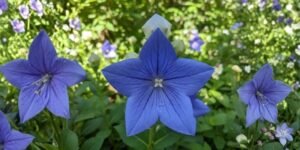
Cornflowers are those classic wildflowers that you may have seen growing in fields or along roadsides. Their fringed, daisy-like blooms scream “summer.” These annuals are native to Europe, but people all over the world love them. They can grow up to three feet tall and have feathery green leaves that sway gracefully. The flowers are the stars. They are usually a bright blue color and have petals that are layered to look like thistles, but they are much softer and more inviting. They’ve always made me think of little blue fireworks going off against the green background in my garden.
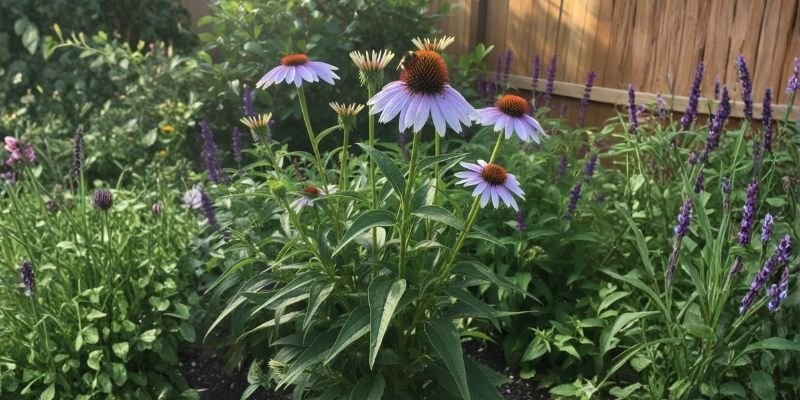
To clear up any confusion, Cornflowers (Centaurea cyanus) are not the same as the perennial Coneflowers from the Echinacea family, which are often purple or pink and used more for herbal remedies. People sometimes call Cornflowers “Blue Coneflower” because of their color and shape, but they are different plants. The center of Echinacea is more cone-shaped, and the stems are stronger. Cornflowers, on the other hand, are lighter and less permanent. If you want a true blue color that grows easily every year, stick with Cornflowers. They won’t let you down.
Why Plant Cornflowers in Your Garden?
I’ve planted Cornflowers in almost every garden I’ve worked on over the years because they give me so much for so little work. First of all, they don’t need much care. Once they’re in the ground, they can handle dry spells and bad soil like pros, so they’re great for gardeners who forget to water or have hard-to-reach areas. Bees and butterflies love them, too. The flowers draw them in, turning your yard into a buzzing haven that helps local wildlife. Also, they’re great for cutting flowers; I’ve cut a lot of them for vases, and they last more than a week indoors, giving the table a fresh-picked look.
One more great thing about them is how quickly they grow. Cornflowers bloom in just a few months after planting, which is great for beginners who want to see results right away. They make borders taller and more colorful without taking over smaller plants, and because they self-seed, you’ll have free plants next year. If you like cottage-style gardens or want to create a wild meadow feel, these Blue Coneflowers are perfect. They are both beautiful and useful.
Seasonal Care Calendar
Based on my seasons of growing Cornflowers, here’s a simple calendar to keep them happy year-round. I’ve formatted it as a table for easy reference—print it out and stick it on your shed door!
Season | Key Tasks |
Spring | Sow seeds directly in the garden after last frost; thin seedlings to 6-12 inches apart; water gently to establish roots. |
Summer | Deadhead spent blooms to encourage more flowers; water during dry spells; watch for aphids and treat with soapy water. |
Fall | Allow some seed heads to mature for self-seeding; mulch lightly if winters are harsh; collect seeds for next year. |
Winter | Minimal care needed; plants die back as annuals, but protect any overwintering seeds with mulch in cold zones. |
How To Plant And Care For Cornflowers
Cornflowers are easy to plant and care for, as I’ve learned from trying them out in both sunny and shady spots. Like I’m right there in the garden with you, I’ll show you step by step what works best for these tough flowers.
Step 1: Pick the Right Place to Plant
Choose a spot that gets a lot of sun first. Cornflowers need at least six hours of direct light every day to make those bright blue flowers. A border that faces south or an open meadow area works great for me, but I’ve been surprised to see them bloom well in partial shade as well. Stay away from low-lying areas where water collects; these plants don’t like wet feet. It’s fine if you’re in a windy place; their tall stems bend but don’t break very often, which adds movement to the garden.
Step 2: Get the soil ready by making it loose and able to drain well.
Cornflowers do well in average to bad soil, which is why they’re great for beginners. Use a fork or tiller to break up the top 6 to 8 inches. If your dirt is heavy clay, add some compost to it. Sandy or loamy soil drains best, which keeps roots from rotting. Don’t add rich soil amendments; these Blue Coneflowers bloom better in leaner soil because they put more energy into flowers than leaves.
Step 3: Picking Healthy Seeds or Seedlings
If you want the whole experience, get seeds. They are cheap and sprout quickly. Find packets from reliable sources that have a high chance of success. I’ve had great luck with organic ones. If you get seedlings from a nursery, make sure they are strong, have green leaves, and don’t show any signs of pests. Don’t buy plants that are leggy or wilted; healthy Cornflowers should feel firm and ready to grow.
Step 4: Putting Cornflowers in the Right Depth
After the last frost, plant the seeds directly outside by lightly scattering them over the prepared soil and pressing them in about 1/4 inch deep. For good airflow, leave 6 to 12 inches between them. When planting seedlings, make holes that are only deep enough to cover the roots and gently pack the soil around them. I’ve planted in early spring for summer flowers in my gardens, and they’ve always come up in a week or two.
Step 5: Watering While the Plants Are Growing
Cornflowers that have just been planted need a steady supply of water to grow roots. Aim for about an inch of water per week, and more if it’s hot. I water deeply but not very often to help the roots grow strong. I use a soaker hose to keep the leaves dry and stop mildew from growing. Once they are established, these drought-tolerant beauties can handle dry spells. However, if you give them a drink during long periods of heat, the Blue Coneflower blooms will keep coming.
Step 6: Give them food and a little fertilizer.
Cornflowers don’t need fertilizer, and too much fertilizer can make the stems floppy. If your soil is really bad, a small amount of balanced organic fertilizer in the spring will help. I’ve had success with compost tea. Don’t use mixes with a lot of nitrogen; they make flowers grow more than leaves. In my plots, not giving the plants heavy feeds has always made them stronger and more likely to bloom.
Step 7: Deadheading and Getting More Blooms
Use clean shears to cut off dead flowers every so often to keep the show going. This stops seeds from forming and sends energy to new buds. I’ve been able to keep flowers blooming into the fall this way. Deadheading Blue Coneflowers also cleans up the plant, which keeps your garden looking nice. Leave some heads on at the end of the season if you want self-seeders.
Step 8: Dealing with pests and other issues
Cornflowers are tough, but aphids can attack young plants. You can get rid of them by spraying them with water or using insecticidal soap from my favorite recipe: a quart of water and a teaspoon of dish soap. Powdery mildew can grow in places with a lot of moisture. To help the air flow, thin out the plants. I’ve only lost a patch here and there in the last 15 years because these plants bounce back quickly with a little care.

Step 9: Taking Care of Cornflowers for a Long Time
To keep your cornflowers healthy, lightly mulch them to keep weeds down and moisture in, but don’t go overboard—cornflowers like to breathe. In colder places, they act like real annuals, so you can either plant them again every year or let them seed themselves. By moving the beds around every season, I can keep them looking great year after year.
The Best Types of Cornflowers
I’ve tried a lot of different Cornflowers over the years, and these are some of my favorites. With deep blue blooms on 2- to 3-foot stems, “Blue Boy” is a classic that is great for cutting. For something different, “Black Ball” has deep burgundy-red flowers that stand out. “Dwarf Blue Midget” is a great choice for containers or borders because it stays under a foot tall. “Jubilee Gem” has a mix of colors, like pinks and whites, and “Tall Blue” can grow up to 3 feet tall with that blue color. If you want the Blue Coneflower look, stick with the bluer colors. They stand out against greens.
Mistakes Beginners Shouldn't Make
As a mentor to new gardeners, I’ve seen these mistakes with Cornflowers. It’s common to overwater. When the soil is too wet, it rots. Let the top inch dry out. Plants that don’t get enough sun are weak and leggy. Always put full sun first. Too many seedlings in one place makes them compete with each other and bloom less. Thin them out early. Heavy fertilizing makes stems weak, so don’t do it or do it lightly. If you don’t deadhead, the bloom period will be shorter, so make it a habit.
Ideas for landscaping and designing gardens
In cottage gardens, cornflowers look great with roses and lavender because they have a wild look that goes well with them. Put them in borders to add height and color, or scatter them in meadows to make them look like a natural prairie. I put Blue Coneflowers in pots on my patio and paired them with trailing ivy to make easy blue pops. They look great in bouquets, whether they’re fresh or dried, and they make great edging along paths. Put bee balms in with your pollinator gardens. It’s good for wildlife and looks good too.
How to Get Bigger and Longer Blooms from Experts
Here’s what I’ve learned from trial and error: to get more flowers, plant Cornflowers every few weeks. Pinching young plants will help them grow more stems and bushiness. Plant marigolds with other plants to keep pests away naturally. In hot places, shade in the afternoon keeps things from getting too hot. For a longer vase life, pick blooms in the morning. When you plant Blue Coneflowers, a little bone meal helps the roots get stronger without making the plant grow too much.
Ways to Propagate (Seeds + Self-Seeding)
It’s easy to grow cornflowers, mostly from seeds. Begin inside four to six weeks before the last frost: Fill trays with seed mix, plant them shallowly, keep them wet at 60–70°F, and move them outside after they have hardened off. As mentioned before, sow directly outside. Let some flowers go to seed so they can drop naturally and grow again next spring. In the fall, pick up dry heads, put them in envelopes, and replant them. This method has made permanent patches in my garden without any extra work.
To sum up, cornflowers are a beginner’s dream: they’re easy to plant, easy to care for, and full of that happy blue charm. They’ve made me happy for years, and I know they’ll do the same for you. Try them out; your garden will be grateful.
FAQs –
1. What sets Cornflowers apart from other blue flowers like forget-me-nots?
Compared to the small clusters of forget-me-nots, cornflowers stand out because their blooms are taller and more structured. Both have blue tones, but Cornflowers have a fringed petal edge and a thistle-like center. They grow as annuals that easily self-seed. Forget-me-nots like shady, damp places, while cornflowers do best in full sun and dry soil. From what I’ve seen, mixing them makes layers of blue, but Cornflowers are taller and better for cutting flowers.
2. If I don’t have a yard, can I grow Cornflowers in pots?
Definitely! For years, I’ve grown healthy cornflowers in pots on my balcony. Fill a pot that is at least 12 inches deep and has drainage holes with potting mix that drains well. Put seeds or seedlings in full sun, water them when the top soil dries out, and only fertilize them once in a while. Dwarf types are the best at avoiding tipping. They will bloom just as beautifully and draw in pollinators even in small areas.
3. How do I dry cornflowers for crafts or to make arrangements?
If you dry cornflowers, they will keep their color for wreaths or potpourri. When the flowers are half-open, cut the stems and tie them together upside down in a dark, airy place for 1–2 weeks. I’ve found that burying flowers in silica gel for a few days makes them bloom faster and keeps the blue color bright. To keep the color from fading, don’t let it dry in direct sunlight. Once they’re dry, they make great decorations that last a long time.
4. Are cornflowers safe for kids and pets to be around in the garden?
Yes, cornflowers are safe for kids and pets, so they are good for families. These flowers are safe to eat, unlike some that have irritants in them. However, I always suggest that you watch little ones. My dogs have never caused problems in my gardens. To avoid getting stung, just keep an eye out for bees around the flowers.
5. What other plants work well with Cornflowers?
You can make a wildflower meadow by planting cornflowers with poppies, or you can use lavender to keep pests away and smell good. I planted them next to zinnias to add color, and they go well with herbs like dill, which attracts good bugs. Cornflowers like lean soil, so don’t plant heavy feeders like tomatoes near them. This mix makes a bed that is balanced and full of life.
6. How long can you keep Cornflower seeds?
If you store Cornflower seeds correctly, they can stay good for 2 to 3 years. After gathering them, dry them well and store them in paper envelopes or jars with silica packets in a cool, dark place. I’ve planted seeds from two years ago, and they have a good chance of growing. Before planting a lot of them, test the older ones by sprouting a few on wet paper towels.
7. Can cornflowers live in places that are very hot or very cold?
In zones 2-11, cornflowers do well in the heat, but in very hot summers, mulch them to keep their roots cool. They act like annuals in cold places, but they can self-seed if they are protected. I have grown them in cold winters by planting them late in the spring. For hot spots, give them some shade and extra water. They will adapt better than most flowers.
8. Why aren’t my cornflowers blooming like they should?
If there aren’t many flowers, check the amount of sunlight. Less than six hours of sunlight stops flowering. Too much fertilizer or soil that is too rich can make leaves the main focus. Switch to lean conditions. They can also be delayed by too many plants or planting them too late. In my experience, changing these usually brings the display back to life in a few weeks.