In This Article
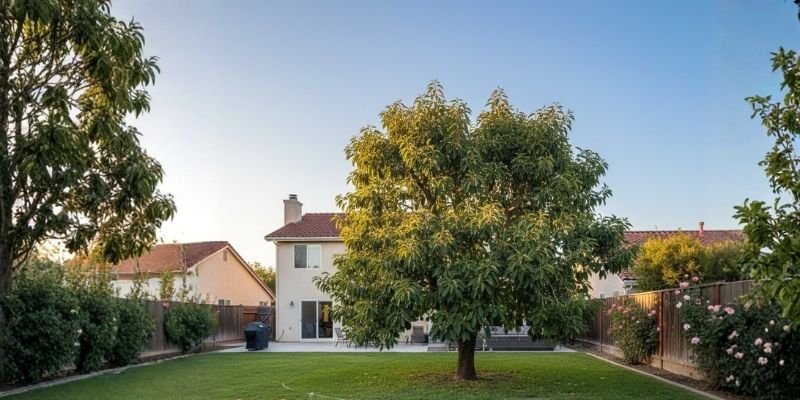
Hey there, people who love gardening! You know that store-bought avocados don’t taste as good as fresh-picked ones that you bite into right away. For the past 15 years, I’ve taken care of avocado trees in my own backyard orchard. I’ve seen these beautiful trees grow from small saplings into big trees that provide shade, beauty, and lots of fruit. It’s not just the fruit that makes growing an avocado tree at home great—though that’s a big plus. It’s also about making a shady oasis in your yard that can last for 50 years or more. Picture yourself relaxing under its wide leaves on a hot day and picking ripe avocados for guacamole or salads whenever you want. It’s a long-term commitment that pays off big time for both your soul and your table. This guide will show you everything I’ve learned from trying things out and making mistakes, so you can avoid the problems and get your avocado tree to grow.
To kick things off, here’s a quick overview of the Avocado Tree’s key details in a handy table. This is based on what I’ve seen work best in real subtropical setups like mine.
Field | Details |
Botanical Name | Persea americana |
Common Name | Avocado Tree |
Plant Type | Evergreen fruit tree |
Mature Height & Spread | 20-40 feet tall, 15-30 feet wide (can be pruned smaller) |
Climate Requirement | Tropical/subtropical; USDA zones 9-11; tolerates mild frost with protection |
Sun Requirement | Full sun (6-8 hours daily) |
Soil Type | Well-draining, loamy or sandy; pH 6-7 |
Water Needs | Moderate; deep watering weekly, more in dry spells |
Time to Fruit | 3-5 years for grafted trees; 5-13 years from seed |
Maintenance Level | Medium; regular pruning and monitoring needed |
What is an Avocado Tree?

The Avocado Tree, or Persea americana if you want to get technical, comes from Central America, where people have been growing it for thousands of years. From what I’ve seen, it’s a strong evergreen that starts out with a pyramidal shape and then spreads out into a dense canopy as it gets older. The leaves are dark green and shiny, which makes great shade. The tree also makes small, greenish-yellow flowers that turn into the pear-shaped fruits we all love. The Avocado Tree is special because it doesn’t pollinate itself in all of its varieties. Having a few nearby can help the tree produce more fruit by cross-pollinating. The fruit hangs in clusters and takes months to ripen. Unlike many trees, avocados don’t ripen on the branch; you pick them firm and let them soften indoors. I’ve picked different kinds of avocados from my orchard, like Hass and Fuerte, each with its own skin texture and flavor. The Avocado Tree is a strong plant that grows well in warm weather, but you have to be careful with its roots because they don’t like wet soil.
Why Plant an Avocado Tree in Your Yard?
You should know that planting an avocado tree in your backyard is like putting money into a living legacy. First of all, nothing beats fresh fruit. An avocado that you grew yourself, free of pesticides and picked at the right time, tastes the best. I’ve saved hundreds of dollars on groceries over the years by growing extra food in my garden and giving it to my neighbors. The Avocado Tree is more than just a food source; its lush leaves make your yard feel like a tropical getaway. It’s also a great way to keep patios cool and lower energy bills in the summer. And speaking of long life, these trees can live longer than we do if they are taken care of properly, becoming a family heirloom that is passed down through the generations. An avocado tree is good for the environment because it helps local wildlife by attracting pollinators and birds. It takes time, but the health benefits of eating fruit, the stress relief of gardening, and the feeling of accomplishment are why I keep adding to my orchard. If you live in a climate that is good for them, an avocado tree is a smart and long-lasting choice for any home grower.
Seasonal Care Calendar
Caring for an Avocado Tree changes with the seasons, and I’ve found that sticking to a routine keeps mine healthy year-round. Here’s a simple calendar table outlining the key tasks based on what I’ve done in my subtropical setup.
Season | Key Tasks |
Spring | Prune lightly after last frost; fertilize with nitrogen-rich mix; check for new growth and pests; mulch around base. |
Summer | Water deeply 1-2 times weekly; monitor for heat stress; harvest ripening fruit; apply shade cloth if needed for young trees. |
Fall | Reduce watering as temps cool; fertilize with balanced formula; inspect roots and soil drainage; plant new trees if zone allows. |
Winter | Protect from frost with blankets or lights; minimal watering; prune dead branches; plan for spring grafting if propagating. |
How To Plant And Care For Avocado Tree
Let’s go through step by step how to plant and care for an avocado tree. I’ve planted dozens of trees over the years, from seeds I started in my kitchen to grafted saplings from nurseries. This method has always worked for me when I followed it closely.
Step 1: Find the Best Place to Plant
Finding the right place for your Avocado Tree is very important. If you don’t, you’ll have problems for years. I always choose a sunny spot in my backyard that gets at least 6 to 8 hours of direct sunlight and is out of the way of strong winds that could hurt young branches. The Avocado Tree likes warm weather, so if you can, try to plant it on a south-facing slope to get the most heat and drainage. Stay away from low-lying areas where water collects, because root rot is deadly. Think about how big it will get in the future as well. It needs space to grow without getting too close to buildings or other plants. I learned the hard way that planting too close to a fence made it hard to prune later. First, check the soil’s pH and drainage by digging a hole, filling it with water, and seeing how quickly it drains. If it’s slow, change it or pick a different one. This base gives your Avocado Tree a strong start.
Step 2: Choose a Grafted Plant or Seedling Avocado Tree That Is Healthy
When choosing your Avocado Tree, the most important thing is quality. I like grafted plants from well-known nurseries better because they fruit faster and are true to type. For example, my Hass grafts produced fruit in just three years, while seed-grown ones took more than five. The stem should be strong, the leaves should be bright green and free of spots, and the root ball should be firm but not too tight. Stay away from plants that are thin or yellowing; they are usually stressed. If you want to grow an avocado from a seed, pick one from a ripe fruit, but be aware that the variety and quality of the fruit are a gamble. In my experience, looking for white, healthy tips on roots is important. Brown or mushy tips are a sign of trouble. For easier establishment, choose a plant that is 2 to 3 feet tall. A strong start, whether from seed or grafting, means a strong Avocado Tree in the future.
Step 3: Get the soil ready by making it rich and well-draining.
Many people don’t prepare the soil well enough, but for an avocado tree, it’s a must. These trees need loose, nutrient-rich soil that drains well. To keep the soil from getting too wet, I’ve added a lot of compost, perlite, and sand to my native clay. A pH of 6 to 7 is good; test kits are cheap and worth it. Make a hole that is twice as wide as the root ball but not deeper. Add organic matter, like old manure, to make the soil more fertile. I put mulch on top of it to keep the moisture in and keep weeds down, but I stay away from the trunk so it doesn’t rot. Raised beds are great if your soil isn’t good. I’ve used them to control plants in hard-to-reach places. Strong roots come from good soil, and that’s what makes an Avocado Tree grow well.
Step 4: Planting at the Right Depth and Distance
It’s exciting to plant, but the depth and spacing are very important. Set your Avocado Tree so that the top of the root ball is level with or just above the ground. If you bury it too deep, it will rot. Gently spread the roots out in the hole, fill it back in with soil that has been changed, and lightly tamp it down to get rid of air pockets. Water well to make everything settle. Put space between the avocado trees. I planted mine in a loose grid so that they are easy to get to. They should be 15 to 20 feet apart for air flow and pollination. If it’s windy, stake young trees, but take the stakes off after a year to help them grow stronger. This careful planting makes sure that your Avocado Tree grows without any problems.
Step 5: Watering to help the roots grow strong
Giving an avocado tree the right amount of water helps its roots grow deep so they can survive dry spells. At first, soak new plants every few days. After that, cut back to deep waterings once a week, going down about 2–3 inches. I use a soaker hose to make it look like it rains, which keeps the leaves from getting wet and growing fungus. Check the soil moisture with your finger in the summer. If it’s dry 2 inches down, water it. Mature avocado trees need less water over time, but never let them completely dry out. I’ve seen that mulching helps keep water in my orchard during dry spells. Watering your avocado tree regularly and with care will make it strong.
Step 6: Give them food and fertilizer to help them grow strong.
Fertilizing helps your Avocado Tree grow and make fruit. In the spring and summer, I use a mix of citrus and avocado that is high in nitrogen. In the fall, I switch to a mix that is high in potassium to keep the roots healthy. To keep young trees from burning, start with half-strength. I have had great success in my garden with organic options like fish emulsion and compost tea. They make the leaves grow without using chemicals. During the growing season, feed every 6 to 8 weeks, but cut back in the winter. Look for problems—yellow veins mean you don’t have enough iron, which can be fixed with chelated sprays. Feeding an Avocado Tree the right way will make it a great producer.
Step 7: Shaping and Trimming the Tree
Pruning your avocado tree will keep it healthy and productive. I cut back dead wood, crossing branches, and suckers in late winter or early spring to let light and air into the canopy. Pinch the tips of young trees to make them bushier. For older trees, give them a light trim to keep them from getting too tall. I keep mine at 15 feet so I can easily pick them. To stop the spread of disease, use tools that are sharp and clean. In my experience, pruning trees once a year helps them produce more fruit by focusing their energy. Don’t go overboard; the Avocado Tree bounces back well but doesn’t like heavy cuts.
Step 8: Dealing with pests, diseases, and problems with leaves
Pests and diseases can sneak up on you, but being careful will save your Avocado Tree. Ladybugs and neem oil sprays have helped me fight aphids and stop them from curling leaves. Make sure there is good air circulation and don’t water from above to avoid diseases like anthracnose. It’s common for trees to get root rot because of bad drainage. I’ve saved trees by making the soil better. Leaf problems like brown tips are a sign of salt buildup; flush with water. Regular checks, especially under leaves, help you find problems early. I haven’t had to use harsh pesticides on my avocado trees because natural remedies have kept them healthy.

Step 9: Taking care of your avocado tree and letting the fruit grow over time
Taking care of an avocado tree for a long time requires patience and watching. As it grows, thin, heavy fruit sets to keep branches from breaking. I pick extra fruit by hand to make it bigger. In the winter, use frost cloths to protect from the cold. In the summer, use shade to protect from the heat. Bees or hand-brushing flowers help with pollination. Pick the fruit when it is full-sized but still hard and ripening inside. Over the years, my avocado trees have become low-maintenance stars, giving me more than 200 fruits every year. Consistent care keeps things alive.
Growing an avocado tree in pots or in the ground
The space and climate will help you decide whether to plant your avocado tree in pots or in the ground. Planting in the ground lets roots spread out, which makes trees bigger and yields bigger, like my 30-foot giants. It’s great for places with mild weather and good soil because it stays put in the wind. But pots are great for patios or cold areas. I’ve grown dwarf varieties in big containers (20 gallons or more) with wheels so they can move around and stay safe from frost indoors. Since roots are stuck in pots, they need more water and fertilizer. Repotting them every two to three years keeps them from binding. Ground is better for long-term use, but pots are more flexible. Both can do well with the right care for your Avocado Tree.
Things beginners should not do
A lot of the time, new avocado tree growers mess up the basics. Overwatering is the worst thing you can do. I’ve seen roots rot from daily sprinkles. Instead, do deep, infrequent sessions. This is made worse by bad drainage, so always add something to the soil. Frost damage can happen if you plant in the wrong climate without protection. Know your zone. If you don’t prune your trees, they will grow long and not bear fruit. Start early. If you don’t deal with pests early, they will get out of control. And don’t expect seeds to grow quickly; instead, graft them. If you avoid these things, your avocado tree will stay on track.
Tips from experts for faster growth and more fruit
From my tests in the orchard, I learned a few tricks that help Avocado Trees grow faster. Coffee grounds are good for acidity and nutrients, and they have helped my plants grow faster. Planting beans and other nitrogen-fixing plants together improves the soil without adding fertilizer. To cross-pollinate fruit, plant both type A and type B varieties. My yields doubled. Reflective mulch can keep heat in and keep pests away. In the spring, foliar sprays of seaweed extract help plants grow strong. If you need to, pollinate by hand inside. And patience: the best results come from consistent care over time. These tricks have turned my avocado trees into stars.
Ways to grow plants (seeds and grafting)
It is fun and cheap to grow an avocado tree. For seeds: Take the pit out of a ripe avocado, hang it over water with a toothpick (pointy end up), and change the water every week. Roots will grow in 2 to 8 weeks. When the plant is 6 inches tall, put it in the ground. The fruit is easy to get but not always the same. Grafting is a pro-level skill. Choose a healthy rootstock seedling, cut a cleft in it, put a scion from the variety you want inside, wrap it with tape, and keep it moist. I’ve grafted dozens of times, and with practice, it works in 4 to 6 weeks. Both ways are cheap ways to grow your Avocado Tree collection.
Problems and Solutions That Happen Often
There are problems with avocado trees, but the answers are simple. Yellow leaves are a sign that the plant isn’t getting enough nutrients or is getting too much water. Change the fertilizer and drainage. No fruit? Check for pollination, age, or stress. If you need to, add friends or wait. When roots rot, they wilt. Dig them up, cut off the affected roots, and plant them in better soil. Mites and other pests make webs. To get rid of them, hose them off and use insecticidal soap. Sunburn makes leaves brown, so give young trees shade in the afternoon. Based on what I’ve seen, acting early fixes most problems and keeps your Avocado Tree healthy.
In conclusion, the Avocado Tree is a great long-term friend for any home orchard. It’s worth every effort because it gives you fresh food, shade, and stays around for a long time. If you start small and learn as you go, you’ll soon have your own healthy Avocado Tree.
FAQs –
1. How long does it take for an avocado tree to grow fruit?
A grafted avocado tree can bear fruit in 3 to 5 years, but a seed-grown tree might take 5 to 13 years. In my garden, giving the plants the best sun, soil, and occasional hand-pollination has cut down on the time it takes, but things like variety and climate are also very important. Make sure to give consistent care to help the flowers bloom earlier.
2. Is it possible to grow an avocado tree inside?
Yes, but it’s hard to do over time because of the size and light needs. I keep young avocado trees inside near south-facing windows, where they get 12 or more hours of light from grow lights. Pots do work, but growth will be slower and fruiting will be rare without summers outside. Trays with humidity help make the tropics feel more like home.
3. What kind of fertilizer works best for an avocado tree?
Avocado trees do well with a balanced citrus formula that has micronutrients like zinc and iron. In the spring, I use organic compost to add nitrogen, and in the fall, I use compost that is high in potassium. Use sparingly to avoid buildup—every six weeks during the growing season—and always water afterward to keep the roots from burning.
4. What can I do to keep my avocado tree safe from frost?
If the frost is light, cover it with fabric that lets air through or use Christmas lights to keep it warm. I’ve put a lot of mulch around the bases of the trees and grouped them together to protect the microclimate. In very bad areas, grow in pots and bring them inside. Young Avocado Trees are the most fragile, so harden them slowly.
5. Why are the leaves on my avocado tree turning brown?
Brown tips are often a sign that salt has built up in the soil from tap water or fertilizer. To fix this, flush the soil with rainwater. If the edges of your plants are turning brown, it could be because they aren’t getting enough water or because the wind is burning them. To fix this, give them more deep soaks and shelter. In my experience, looking for pests like thrips under leaves quickly solves a lot of problems.
6. Can an avocado tree pollinate itself?
Most kinds aren’t completely self-pollinating, so they do better when they have both A and B flowers. My setup with Hass (A) and Bacon (B) close by gives me the best yields. If you are alone, gently shake the branches or use a brush to move the pollen, especially in places where there is no wind.
7. What size space does an avocado tree need?
Avocado trees can grow 15 to 30 feet wide when they are full grown, so plant them 20 feet away from buildings. Dwarf varieties like Little Cado can fit in 10-foot spots with some pruning if you have a small yard. I put mine in rows 15 feet apart so that air can flow between them. This keeps disease from spreading and makes it easy to pick.
8. Can I plant a store-bought pit and grow an avocado tree?
Of course! It’s a great project for beginners. Put the pit in water until roots grow, then put it in a pot with good drainage. The quality of the fruit varies, but it’s free fun. I’ve started a lot of them this way, moving them to the ground for more energy, but grafting them later makes the plants better.