In This Article
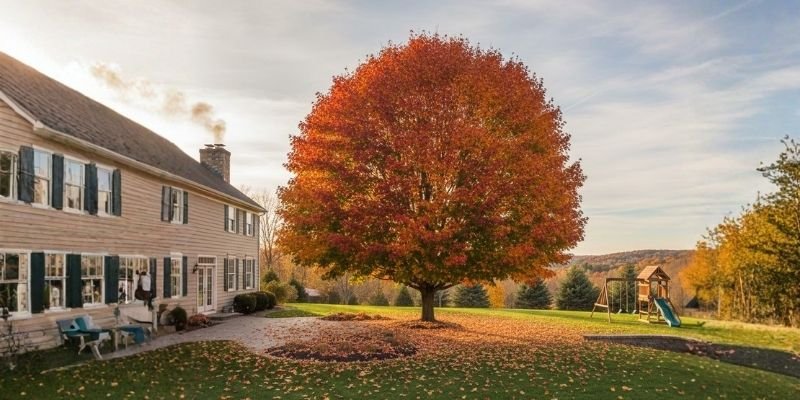
Hey there, fellow gardeners! If you’re like me, you’ve probably spent a lot of afternoons dreaming about that perfect shade tree that grows quickly and looks great in the fall. That’s where the Autumn Blaze Maple Tree comes in. It’s a beautiful tree that people all over the US have in their backyards. It grows quickly, so it can give you shade on hot summer days. In the fall, its leaves turn a beautiful fiery red. Over the years, I’ve planted a lot of these in different climates, from the humid Midwest to the drier West, and they’ve always impressed me. The Autumn Blaze Tree is forgiving, hardy, and gives you rewards with little work, whether you’re a new homeowner or a seasoned landscaper. Let’s get into everything you need to know to make one grow well in your own yard.
To get us started on solid ground, here’s a quick overview of the key details about this fantastic tree. I’ve put together this plant information table based on my hands-on experience and what I’ve seen work best in real-world settings.
Field | Details |
Botanical Name | Acer x freemanii ‘Jeffersred’ |
Common Name | Autumn Blaze Maple Tree |
Plant Type | Deciduous shade tree |
Mature Height & Spread | 40-55 feet tall, 30-40 feet wide |
Growth Rate | Fast—up to 3-5 feet per year under ideal conditions |
Fall Color | Brilliant red to orange-red |
Sun Requirement | Full sun (at least 6 hours daily) |
Soil Type | Adaptable, prefers loamy and well-draining |
Water Needs | Moderate; drought-tolerant once established |
USDA Zones | 3-8 |
Maintenance Level | Low to moderate |
What is the Autumn Blaze Maple Tree?

The Autumn Blaze Maple Tree is a hybrid that comes from crossing the red maple and the silver maple. This cross combines the best parts of both trees: the red maple’s bright fall color and strong structure with the silver maple’s fast growth and ability to adapt. It has the classic maple shape and a rounded canopy that is thick enough to provide good shade but not so heavy that it takes over smaller yards. The leaves are like those of a normal maple: they are deeply lobed and green in the spring and summer, and then they turn that famous red in the fall. The Autumn Blaze Tree is one of the best trees I’ve used in my landscaping projects. It can handle city pollution, different types of soil, and even some drought better than most purebred maples. Not only is it pretty, but it’s also useful for people who are busy and want a tree that doesn’t need a lot of care.
Why Grow an Autumn Blaze Tree in Your Yard?
There’s a reason I’ve recommended the Autumn Blaze Tree to so many clients over the years—it’s a powerhouse for any yard. First of all, that quick shade is a game-changer. In just a few seasons, you’ll have a canopy big enough to cool off your patio or picnic area, which will help you stay cool on those hot summer afternoons. It doesn’t need much care, so you can spend more time enjoying your outdoor space and less time worrying about it. Compared to some other fast-growing trees, these branches are stronger and less likely to break in storms. This means you can relax when it’s windy. And don’t forget about the beauty of the seasons: the Autumn Blaze Maple Tree changes the look of your yard with its fiery fall display, making your property more valuable and getting compliments from your neighbors. It attracts birds and butterflies and is good for most parts of the US, from cold Zone 3 winters to warm Zone 8 summers. This tree is hard to beat if you want one that gives back year after year with little effort.
Seasonal Care Calendar
To keep your Autumn Blaze Maple Tree thriving through the year, I’ve found it helpful to follow a simple seasonal routine. Here’s a table outlining the key tasks for each season, drawn from what works in my own garden and those I’ve helped design.
Season | Key Tasks |
Spring | Fertilize lightly with a balanced formula; prune any winter damage; mulch around base; check for pests as leaves emerge. |
Summer | Water deeply during dry spells; monitor for leaf scorch; avoid heavy pruning; enjoy the shade! |
Fall | Rake leaves for compost; apply slow-release fertilizer if needed; plant new saplings now for root establishment before winter. |
Winter | Protect young trees from rodents with wraps; prune dormant branches for shape; minimal watering unless extremely dry. |
How To Plant And Care For Autumn Blaze Maple Tree
It’s not hard to plant and care for an Autumn Blaze Maple Tree, but if you get the basics right from the start, you’ll be able to do it well. I’ve helped homeowners with this process many times, and it’s all about being patient and paying attention to what’s going on in your area. Let’s go through it one step at a time.
Step 1: Choose the Right Planting Location
The first thing you need to do when you want to bring home an Autumn Blaze Tree is find a place where it will be happy for a long time. Find a spot in your yard that is open and not near power lines or buildings. This tree can grow to be 50 feet tall, so make sure it has enough room to spread out without being crowded. I’ve seen the Autumn Blaze Maple Tree do well in many places across the US, from the clay soils of the Northeast to the sandier soils of the Southwest. It does best where it doesn’t sit in wet feet all the time, but it can grow in almost any spot. Also think about the winds in your area; a sheltered spot helps young trees grow without stress. I’ve put them close to driveways to make the curb look better, but I always make sure they’re at least 10 to 15 feet from the pavement so their roots don’t push up later.
Step 2: Check Sunlight and Space Requirements
The Autumn Blaze Tree needs a lot of sunlight to grow and change color in the fall. Look for a spot that gets full sun, which means at least six hours of direct light every day. If you don’t get that, the plants will grow more slowly or the reds will be less bright in the fall. Plan for a mature spread of 30 to 40 feet; I’ve seen people underestimate this and end up with branches hanging over their neighbors’ fences. Check your specific microclimate in USDA Zones 3–8, which cover most of the country. Hotter southern areas might need shade in the afternoon to keep from getting too hot, while northern areas benefit from being in the sun all day. Walking around your yard at different times of the day will help you figure out the sun patterns. It’s a simple step that pays off big.
Step 3: Prepare Loose, Well-Draining Soil
A healthy Autumn Blaze Maple Tree starts with good soil preparation. Dig a hole that is twice as wide as the root ball but not deeper. This will help the roots spread out instead of down. If your ground is too sandy or heavy clay, use a garden fork to break up the soil and add some organic matter like compost. I’ve worked with all kinds of trees in the US, and the Autumn Blaze Tree isn’t picky, but it doesn’t like soil that is too wet or too compacted, which can cause root rot. Fill the hole with water to see if it drains. If it doesn’t drain in a few hours, add sand or raise the planting bed. This step makes sure your tree gets off to a good start without any problems.
Step 4: Planting the Autumn Blaze Tree at the Correct Depth
Now it’s time to plant. Carefully take the Autumn Blaze Tree out of its pot and tease out any roots that are circling around to encourage healthy growth. Put it in the hole so that the root flare (where the roots meet the trunk) is just above the ground. Burying it too deep is a common way to kill it. Fill in the hole with the amended soil, pressing down lightly to get rid of air pockets. I’ve been planting these for years, and I’ve found that fall planting works best for root growth in cooler northern areas, while spring planting works best for warmer southern areas. If you need to, stake it for the first year, especially in windy areas. After that, take it off so the trunk can grow stronger on its own.
Step 5: Watering for Root Establishment
Your new Autumn Blaze Maple Tree needs to be watered right after you plant it. Give it a good soak to settle the soil, then try to give it about an inch of water a week during the first season, depending on how much rain falls. To get to the roots without runoff, use a hose with a slow trickle. The Autumn Blaze Tree can handle drought pretty well once it gets going, which usually takes a year or two. But in the Midwest and other dry parts of the US during summer heat waves, it stays stress-free with extra watering. Check the moisture level in the soil a few inches down. Over time, you’ll learn how to read your tree’s signals, like when its leaves start to wilt, which means it needs water.
Step 6: Feeding and Fertilizing for Strong Growth
A balanced, slow-release fertilizer in the spring will help your Autumn Blaze Tree grow quickly. I usually use something like 10-10-10 and put it around the drip line, not right at the trunk. This boosts vigor without going too far, which can make branches weak, in soils that don’t have a lot of nutrients, which is common in some parts of the USA. Check the pH of your soil first. These trees like it to be slightly acidic to neutral (6.0–7.0). In my experience, skipping fertilizer on established trees usually works fine because they get what they need from the ground. However, young trees like the extra help.
Step 7: Mulching and Moisture Management
For the Autumn Blaze Maple Tree, mulch is your best friend. It keeps the soil moist, stops weeds from growing, and keeps the temperature of the soil stable. Around the base, put down a 2- to 3-inch layer of organic mulch, like wood chips. Keep it a few inches away from the trunk so it doesn’t rot. In the humid eastern US, this helps keep the moisture level even. In the dry western US, it cuts down on evaporation. Every year, add more mulch. This makes watering more effective during dry spells. Every time, I’ve seen trees with mulch do better than trees without mulch, especially when the weather changes.
Step 8: Pruning and Structural Training
Pruning your Autumn Blaze Tree will keep it looking sharp and strong. Do big cuts in late winter when the tree is dormant to reduce stress. Remove crossing branches or weak ones to shape the canopy. Cut off competing stems to train a central leader in young trees. This keeps things from breaking in places where storms happen a lot, like the Southeast. I’ve cut back hundreds of these, and the key is to do light touch-ups every year instead of heavy hacks. This lets air flow and lowers the risk of disease. Always use clean tools so you don’t spread problems.

Step 9: Long-Term Autumn Blaze Maple Tree Care and Maintenance
Over the years, taking care of the Autumn Blaze Tree for a long time has mostly meant watching it and doing as little as possible. Look for signs of stress, such as yellowing leaves, and fix them with specific fixes instead of regular sprays. In the colder parts of the US, wrapping the trunks of saplings in the winter keeps them from getting sunscald. In the milder parts, however, pest patrols are more important. If growth slows down, fertilize every few years. Rake up fallen leaves to keep them from matting. If you do this, your Autumn Blaze Maple Tree will grow into a low-maintenance tree that will make your yard look better for years to come.
Common Problems and Solutions
The Autumn Blaze Maple Tree is tough, but it can have problems. Most of the time, though, they can be fixed quickly. When the wind is hot and dry, leaves can get leaf scorch, which makes the edges of the leaves turn brown. Water deeply and add mulch to the soil to keep it moist and stop it. If you plant too deeply, your roots can get girdled and other problems can happen. To fix this quickly, show the flare. Strong branches are less likely to break in a storm, but if they do, cut them back cleanly to help them heal. Aphids and other bugs could come. I got rid of them by spraying them with a strong hose or by bringing in ladybugs. Fungal spots can happen when springs are wet. Trimming will make the air flow better. From what I’ve seen, being proactive keeps these little problems from becoming big ones.
Beginner Mistakes to Avoid
I’ve seen a lot of new gardeners make mistakes, so here are some things to avoid with your Autumn Blaze Tree. Poor spacing is the most important thing. If you plant too close to buildings, you’ll have to pay to have them removed later. Watering too much can kill roots, especially in clay soils, so let the topsoil dry out between waterings. Pruning in the summer or at other times when plants are dormant can lead to disease. If you don’t prepare the soil, it can slow down growth. If you forget to stake young trees in windy weather, their trunks may lean. Also, don’t use too much fertilizer because it makes soft growth that is easy to break. Your Autumn Blaze Maple Tree will be grateful if you learn from these.
Landscaping Ideas and Yard Placement Tips
The Autumn Blaze Tree is a great landscaping choice because it works in any yard size. Plant it over patios to provide shade and coolness. It makes a great street tree in cities because it can handle pollution and looks good on the street. Place it in the middle of your lawn so that its fall color stands out. To make the look of your driveway more balanced, plant a row of plants along the edge. You could also mix in evergreens to keep things interesting all year. One specimen is enough for smaller backyards without being too much. I’ve made yards where it holds flower beds in place and draws the eye up. Just make sure there is enough space and good drainage. It’s a star that makes the whole landscape look better.
Expert Tips for Faster Growth and Better Fall Color
After working with dirt for more than 15 years, here are my best tips for making your Autumn Blaze Maple Tree grow faster. Plant in the spring or fall when roots grow the fastest, and use root stimulators sparingly at planting time. Keep the soil consistently moist in late summer to bring out the reds in the fall. Drought stress dulls the reds. To keep fungi from dulling, pick places with good air flow. A small amount of phosphorus in the early fall makes colors more vibrant. Use old leaves as mulch to add natural nutrients. And patience pays off; the best shows come from mature trees. These changes have made average trees stand out in my projects.
Propagation Methods (Cuttings or Nursery Saplings)
It’s not always easy to grow an Autumn Blaze Tree from seed because it’s a hybrid, but it can be done with care. Take semi-hardwood stems that are about 6 to 8 inches long in late summer, dip them in rooting hormone, and plant them in moist potting mix in a place that doesn’t get direct sunlight. To keep the soil moist, use a plastic cover. Roots will grow in 4 to 8 weeks, at which point you can move them. The success rates are different; about half of the plants I’ve put in my greenhouse have grown. Starting with nursery saplings is easier; just make sure to buy healthy ones with good root balls from trusted sources. Plant as described above. Grafting is something that professionals do, but for home gardeners, cuttings or buying young trees is easier and more reliable.
In short, the Autumn Blaze Tree is a great shade tree that doesn’t need much care, grows quickly, has a strong structure, and has beautiful red leaves in the fall. If you give it the right start and basic care, it will be a favorite part of your yard for years to come.
FAQs –
1. How does the Autumn Blaze Maple Tree differ from other maples?
The Autumn Blaze Maple Tree is unique because it is a hybrid that combines the fast growth of silver maples with the bright colors of red maples. This type is better in the wind and gives denser shade sooner than some others that drop leaves in a messy way or have weak wood. I’ve noticed that it adapts better to city life than other plants do. It can handle salt and pollution that might hurt other plants
2. How quickly does an Autumn Blaze Tree grow?
If the conditions are right, like full sun and good soil, an Autumn Blaze Tree can grow 3 to 5 feet a year in its early years. It will slow down as it gets older. Your USA zone matters too. In cooler northern areas, the rates might be a little slower, but if you water and feed your plants properly, you’ll see great growth. I planted some that grew to 20 feet in five years, quickly turning bare spots into shady havens.
3. Can the Autumn Blaze Maple Tree survive in the cold?
Yes, the Autumn Blaze Maple Tree does well in USDA Zones 3-8. Once it’s established, it can handle harsh winters with ease. Wraps can protect young trunks from sunscald in snowy areas, and keep de-icing salts away from roots. Based on what I’ve seen in the Midwest, mature trees don’t have any problems bouncing back from freezes. They keep their shape and color potential.
4. Does the Autumn Blaze Tree get sick easily?
The Autumn Blaze Tree is usually strong, but it can get verticillium wilt or tar spot in humid areas. However, good cultural practices can help reduce these risks. To keep root fungi from growing, make sure there is enough space for air to flow and don’t water too much. In my work, regular checks find problems early, and healthy trees don’t often need chemicals.
5. How can I get the best fall color from my Autumn Blaze Maple Tree?
To get the best reds, make sure your Autumn Blaze Maple Tree stays stress-free by keeping the soil evenly moist until the end of summer. Also, don’t use fertilizers that are high in nitrogen late in the season. Sunny spots make colors brighter, and I’ve noticed that trees in soils that are a little acidic show the most vivid colors. The cool nights of fall also make it better.
6. How big of a pot should I use to start an Autumn Blaze Tree?
If you’re potting them for a short time, start with a 5-10 gallon container for young Autumn Blaze Trees so their roots can grow. To keep roots from circling, use a mix that drains well and move the plant to the ground within a year or two. I’ve used this method to stage them before planting them for good, making sure they move smoothly.
7. Is it okay to plant an Autumn Blaze Tree close to my house?
Yes, but make sure it’s at least 15 to 20 feet away from foundations so that the roots don’t mess up the plumbing or sidewalks. The roots of the Autumn Blaze Tree are on the surface, but they aren’t too aggressive. In my landscaping plans, putting them in the right places makes things look better without causing problems later.
8. How often should I give an established Autumn Blaze Maple Tree fertilizer?
For older ones, a slow-release balanced feed in the spring every two to three years is enough, unless soil tests show that the plants need more. Too much fertilizer makes plants grow thick and brittle. From my experience taking care of these for a long time, natural leaf litter often has enough nutrients in fertile yards.