In This Article
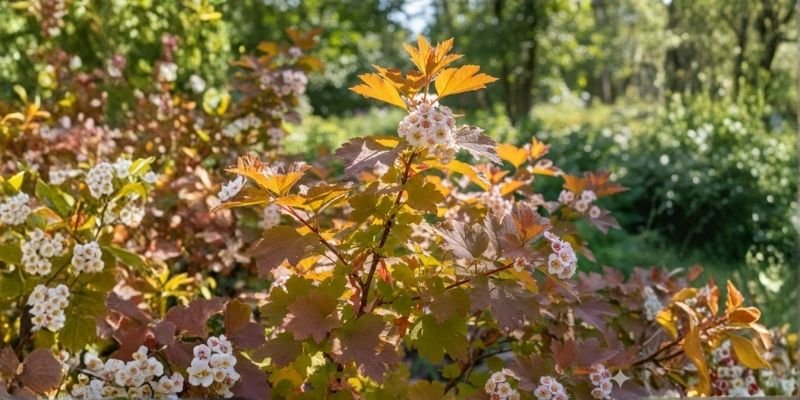
Let’s start with the basics: the amber jubilee ninebark is a deciduous shrub from the rose family, known for its peeling bark (hence the “ninebark” name—old-timers say it looks like nine layers) and clusters of delicate flowers in spring. But the real star? That foliage. Fresh growth emerges in a glowing amber-orange, settling into chartreuse yellow through summer, then exploding into a mix of crimson, purple, and bronze tones in autumn. It’s not just pretty; it changes with the light and seasons, making your garden feel alive and ever-evolving. I remember planting my first one years ago—it was the talk of the neighborhood barbecue when those fall colors hit.
This shrub’s upright habit keeps it neat, reaching about 5 to 7 feet tall and spreading 4 to 6 feet wide at maturity, so it’s versatile for small yards or filling out larger spaces. Gardeners love the ninebark amber jubilee for its adaptability in contemporary designs, where clean lines and bold colors rule. It pairs beautifully with perennials like coneflowers or grasses, or even evergreens for year-round interest. Plus, it’s pollinator-friendly—bees go wild for those blooms—and deer tend to leave it alone, which is a win in my book.
To give you a quick snapshot, here’s a handy table with the key specs. I’ve jotted these down from hands-on growing, not some textbook, so they’re straightforward for planning your spot.
Attribute | Details |
Common Name | Amber Jubilee Ninebark |
Botanical Name | Physocarpus opulifolius ‘Monlo’ |
Family | Rosaceae |
Plant Type | Deciduous flowering shrub |
Mature Size | 5-7 feet tall, 4-6 feet wide |
Sun Exposure | Full sun to partial shade |
Soil Type | Well-drained, average to loamy |
Soil pH | 6.0 to 7.5 (slightly acidic to neutral) |
Bloom Time | Late spring to early summer |
Flower Color | Clusters of small white-pink blooms |
Hardiness Zones | USDA 3-7 |
Native Area | Eastern North America (cultivar origin) |
Toxicity | Non-toxic to humans and pets |
This table’s your cheat sheet—pin it up in the shed! Now, with that foundation, let’s dive into keeping your amber jubilee ninebark thriving through the year.
Amber Jubilee Ninebark Care (Season-Wise Care)

Caring for the amber jubilee ninebark is pretty hands-off once established, but tuning into the seasons makes all the difference. This shrub’s hardy roots handle a lot, but a little seasonal TLC keeps those colors popping and the form tight. I’ll break it down by time of year, drawing from what works in my zone 5 garden—adjust for your spot, of course. Whether you’re in a chilly northern climate or milder southern edges, the ninebark amber jubilee adapts well.
Winter Care for Amber Jubilee Ninebark
Winter’s when the amber jubilee ninebark earns its tough-guy rep. Those bare branches with their exfoliating bark add subtle texture to snowy scenes, but protection is key for young plants. In my yard, I mulch around the base with 2-3 inches of shredded bark or wood chips right after the ground freezes—usually late November here. This insulates roots from heaving in freeze-thaw cycles, common in zones 3-5. Skip fertilizing; it’s dormant and doesn’t need the boost.
If winds whip hard in your area, stake young amber jubilee ninebarks loosely to prevent rocking. I check mine mid-winter for any broken limbs from ice storms—snip those clean with bypass pruners to avoid rot. Water if it’s bone-dry before a deep freeze, but otherwise, let it snooze. By late winter, buds swell, signaling it’s time to think spring.
Summer Care for Amber Jubilee Ninebark
Ah, summer—the season when your ninebark amber jubilee shines in that sunny yellow-green glow. Heat doesn’t faze it much, but consistent moisture is your friend, especially the first year. I aim for about an inch of water weekly, more if it’s scorching and dry. Deep soak at the base rather than shallow sprinkles; it encourages strong roots. In full sun, those leaves hold color best, but partial shade softens the intensity if your summers sizzle.
Weed around it to cut competition, and a light layer of mulch holds moisture without smothering. If you’re in a humid spot, watch for leaf scorch—yellow edges mean more water or afternoon shade. I fertilize lightly in early summer with a balanced, slow-release granular (like 10-10-10) scattered at the drip line, but skip it if growth is vigorous. Deadhead spent blooms if you like, though it’s optional; this keeps energy going to foliage.
Monsoon / Rainy Season Care
For those in wetter climes or during heavy rainy spells, the amber jubilee ninebark handles downpours like a champ—its native roots love moist soil. But standing water? Not so much. Ensure your planting spot drains well; amend clay with compost if needed. In my occasional soggy springs, I mound soil slightly at planting to prevent root rot.
During monsoons, cut back on supplemental watering and check for fungal spots (more on that later). Good airflow from spacing plants 4-5 feet apart helps dry leaves quickly. If rains lash hard, prop up floppy branches to avoid breakage. Post-rain, a quick rake clears debris that could harbor pests. Overall, this shrub’s resilience means rainy seasons are more “set it and forget it” than fuss.
Container-Grown Amber Jubilee Ninebark Care
Growing ninebark amber jubilee in pots? Great for patios or balconies where space is tight—its compact form fits nicely in 20-30 gallon containers. Use a well-draining potting mix with perlite for aeration. Place in full sun, but rotate quarterly for even growth. Water when the top inch dries out; pots dry faster than ground soil, so check often in heat.
Fertilize every 6-8 weeks with a liquid bloom booster during growing season. Come winter, if you’re in zones below 6, drag pots to a garage or unheated shed—roots hate deep freezes in containers. Mulch the surface and wrap in burlap for wind chill. Prune lightly to keep it bushy; it’ll reward you with portable color year-round.
Outdoor / Landscape Amber Jubilee Ninebark Care
In the ground, the amber jubilee ninebark becomes a landscape workhorse. Plant in spring or fall, digging a hole twice as wide as the root ball but no deeper. Backfill with native soil mixed with a handful of compost—no need for fancy amendments. Space multiples 5 feet apart for hedges; it’ll fill in nicely.
For mass plantings, mix with natives like serviceberry for eco-vibes. Water weekly first year, then taper to drought-tolerant status. In landscapes, it edges paths or screens views without overwhelming. I love grouping three for a colorful trio—stagger heights for depth. Annual spring cleanup of old mulch and a fresh layer keeps it looking sharp.
Types of Ninebark Plants / Related Varieties
The ninebark family offers a rainbow of options, each with its own flair. If you’re eyeing the amber jubilee ninebark, it’s worth glancing at cousins for mixing or swapping based on your yard’s vibe. I’ve tried a few over the years, and they all bring that reliable, native charm with pretty bark and flowers. Here’s a rundown of popular ones often compared to our amber star.
Diablo Ninebark
This one’s the brooding counterpart—deep purple-black leaves that hold color all summer, unlike the amber jubilee ninebark’s shifting golds. It grows taller (8-10 feet) and suits edgier, contemporary looks. Flowers are pinkish-white, but watch for sun scorch in hot spots. Great for contrast next to the ninebark amber jubilee’s warmth.
Coppertina Ninebark
Think coppery-orange new growth fading to bronze—similar vibe to amber jubilee ninebark but with a richer, metallic twist. Compact at 6-8 feet, it’s mildew-resistant and perfect for smaller yards. I pair it with the amber version for a fiery duo in fall borders.
Little Devil Ninebark
A pint-sized powerhouse at 3-4 feet, ideal for urban gardens or low hedges. Dark red-purple foliage like Diablo but daintier. It’s often pitched against the ninebark amber jubilee for beginners wanting less pruning hassle. Tough as nails, with white blooms that draw butterflies.
Summer Wine Ninebark
Weeping habit with finely cut, burgundy leaves—elegant and compact (4-6 feet). Less upright than amber jubilee ninebark, it spills gracefully over walls. Pink flowers add whimsy; it’s a softer, romantic pick for cottage gardens.
Tiny Wine Ninebark
The mini-me of Summer Wine, topping 3-4 feet with the same wine-red tones. Super low-maintenance, disease-resistant, and a fave for containers. Compare it to amber jubilee ninebark when you need scale down without losing punch.
These relatives share the Physocarpus opulifolius backbone, so care overlaps—easy swap-ins for variety. In my plots, blending amber with Diablo creates a hot-cold foliage showstopper.
Pruning Amber Jubilee Ninebark
Pruning the amber jubilee ninebark isn’t a yearly chore; it’s more like a tune-up to keep that upright shape crisp and colors vivid. Do it right after flowering in late spring—early summer works too—while new growth pushes. Why bother? It boosts airflow to fend off fungi, removes dead bits for health, and encourages fresh shoots with those knockout orange tips. In my garden, a quick prune every couple years keeps my ninebark amber jubilee looking full, not leggy.
Start with clean, sharp tools—bypass pruners for small stuff, loppers for thicker stems. Remove any dead, damaged, or crossing branches at the base; cut at a 45-degree angle just above a bud. For renewal, every 2-3 years, thin out a third of the oldest stems (pencil-thick or more) to ground level. This sparks vigorous regrowth. Shape lightly if needed—tip outer branches to maintain that vase-like form, but don’t shear like a boxwood; it kills the natural appeal.
Common slip-ups? Pruning too late (after midsummer) zaps next year’s blooms, or hacking too much at once—stick to 25% removal max. Over-thinning in shade makes it sparse. And never use dull blades; they tear bark, inviting disease. With practice, you’ll see your amber jubilee ninebark thank you with denser, brighter foliage.
Propagating Amber Jubilee Ninebark
Want more amber jubilee ninebark without the nursery bill? Propagation’s straightforward and rewarding—I’ve rooted dozens for friends. The easiest ways are softwood cuttings in summer or hardwood in winter. Both yield true-to-type plants since it’s a cultivar.
Softwood Cuttings (Late Spring to Early Summer):
- Select 4-6 inch tips from healthy, new growth—firm but flexible, not woody.
- Snip just below a leaf node, strip lower leaves, and dip the end in rooting hormone (powder or gel).
- Stick into a pot of moist perlite-sand mix; cover with a plastic dome for humidity.
- Keep in bright, indirect light at 65-75°F—mist daily. Roots in 4-6 weeks; tug gently to test.
- Transplant to pots once rooted, harden off outdoors, and plant in fall. Success rate’s high, around 70% in my trials.
Hardwood Cuttings (Late Winter):
- Cut 6-8 inch dormant stems (pencil-thick) from last year’s growth.
- Bundle loosely, bury heels in sand or moist soil in a cold frame or fridge.
- Check in spring for roots; pot up and grow on. Slower but reliable for bulk.
Layering works too—pin a low branch to soil in spring; it’ll root by fall. Avoid overwatering to dodge rot, and patience pays off. Soon, you’ll have a patch of ninebark amber jubilee spreading the love.

Overwintering Amber Jubilee Ninebark
Even in cold zones, overwintering the amber jubilee ninebark is low-drama—it’s built for it. Focus on roots, as tops die back naturally. For in-ground plants, a 3-inch mulch ring (not touching stems) post-first frost shields from temperature swings. I use pine needles or leaves; they break down slowly.
Youngsters under 2 years get extra love: wrap trunks in tree guards against rodents, and if snow piles heavy, gently brush it off to prevent bending. In exposed spots, windbreaks like burlap screens help. Containers? As mentioned, move to sheltered areas where temps stay above -10°F; insulate with bubble wrap.
Watch for heaving—lifted soil means frost pushed it; gently firm back and water if dry. By March, remove mulch gradually as thaw hits. My established ones sail through with zero fuss, emerging with those amber buds like clockwork.
Common Pests & Plant Diseases
The ninebark amber jubilee isn’t pest-prone, but like any rose relative, it has vulnerabilities. Spot issues early for easy fixes—prevention’s 90% of the battle.
Pests:
- Aphids: Tiny green sap-suckers cluster on new growth, curling leaves. Blast with water hose weekly; insecticidal soap if stubborn. Ladybugs love ’em—plant dill nearby.
- Japanese Beetles: Metallic munchers skeletonize leaves in summer. Hand-pick at dusk or use neem oil sprays. Row covers early season help.
- Spider Mites: Fine webs and stippled leaves in dry heat. Increase humidity, hose undersides; miticide for bad cases.
Diseases:
- Powdery Mildew: White, floury coating on leaves, worse in shade/humidity. Improve air flow via pruning; fungicide like sulfur if needed, but resistant varieties like amber jubilee ninebark rarely crash.
- Fire Blight: Bacterial ooze on branches, wilting tips—looks scorched. Prune 12 inches below symptoms in dry weather; copper sprays prevent.
- Leaf Spot/Anthracnose: Brown-black spots, yellowing. Rake fallen leaves; avoid overhead water. Fungicides rarely necessary.
Keep soil balanced, don’t over-fertilize (sparks weak growth), and scout weekly. Healthy plants fend off most troubles—mine’s pest-free with basic vigilance.
How to Keep Amber Jubilee Ninebark Healthy & Colorful
Unlocking the full spectrum of your amber jubilee ninebark means nailing the fundamentals: light, soil, and feeds. Full sun (6+ hours) intensifies those oranges—shade fades to lime. Test soil yearly; aim for fertile, well-drained with organic matter. I top-dress with compost annually for slow nutrition.
Fertilize sparingly: slow-release in spring, none after August. Water deeply but infrequently—stress toughens it. For max color, prune for sun penetration; deadhead to redirect energy. Mulch suppresses weeds, retains moisture. If colors dull, check pH—too alkaline washes out yellows; sulfur tweaks it down.
In my trials, grouping with companions like black-eyed Susans enhances vibrancy without competition. Rotate spots if container-bound for even exposure. With this routine, your ninebark amber jubilee stays a foliage fireworks show, healthy and hassle-free.
FAQs – Amber Jubilee Ninebark Care
1. How fast does amber jubilee ninebark grow?
It puts on 1-2 feet yearly once established, reaching full size in 3-5 years. Patient planting pays off—mine hit 5 feet by year three with decent sun and water.
2. Can I plant ninebark amber jubilee in full shade?
Partial shade works, but full shade mutes colors and thins growth. Aim for morning sun at least; it’ll still flower, just less vibrantly.
3. What’s the best fertilizer for amber jubilee ninebark?
A balanced 10-10-10 slow-release in early spring does the trick. Overdo it, and you get leggy stems—less is more for this native toughie.
4. Does amber jubilee ninebark attract pollinators?
Absolutely—those spring blooms buzz with bees and butterflies. It’s a quiet hero for wildlife gardens, plus berries for birds in fall.
5. How do I know when to water my ninebark amber jubilee?
Stick a finger in the soil; if top 2 inches are dry, soak deeply. First year: weekly. Established: only during prolonged dry spells.
6. Is pruning essential for amber jubilee ninebark health?
Not yearly, but renewal every 2-3 years keeps it airy and colorful. Skip it, and it gets woody—think of it as a refresh, not a must-do.