
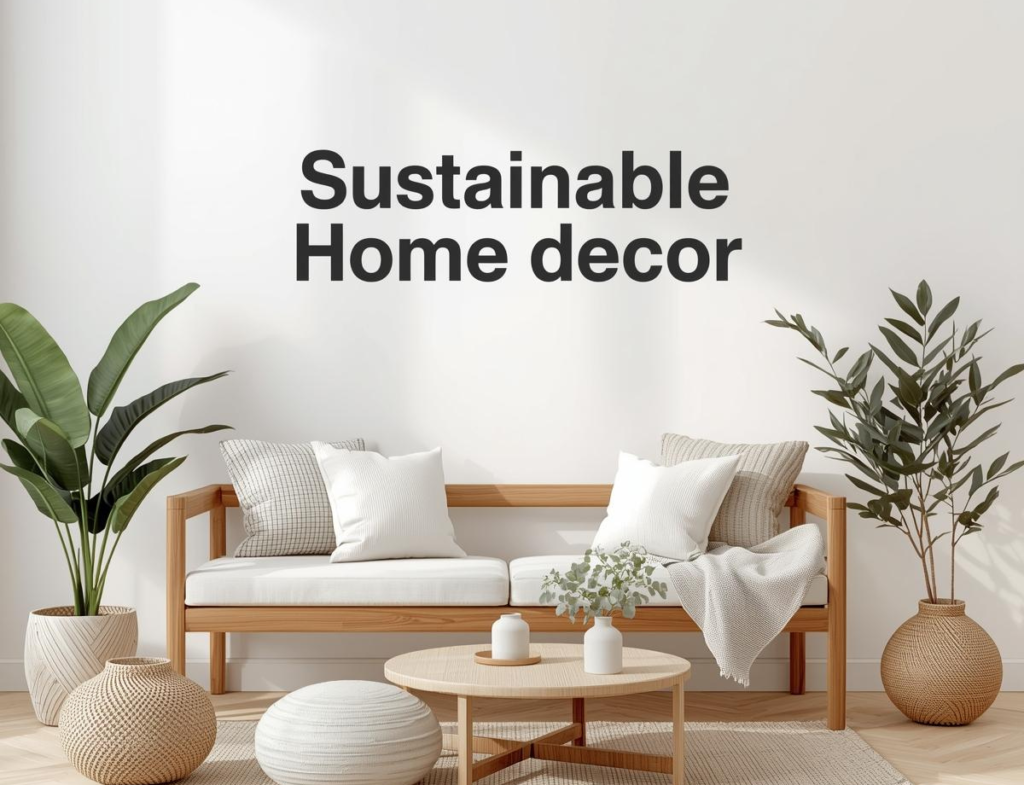
Let’s talk about making your home beautiful. Not just beautiful to look at, but beautiful in a way that feels good deep down. That’s the heart of sustainable home decor. This idea is sweeping across homes in the USA, and it’s more than just a trend—it’s a shift in how we think about our spaces. It’s about choosing pieces that tell a story of care, for our planet and for the people who craft them.
When we talk about sustainable home decor, we mean furnishings, textiles, and accessories that are created with intention. They minimize harm to the environment, promote better health for our families, and support ethical practices. This approach to sustainable home decor isn’t about sacrificing style. In fact, it often leads to a more unique, personal, and meaningful home. The journey into sustainable home decor is an exciting one, filled with natural textures, timeless designs, and the satisfaction of making conscious choices.
Why Choose Sustainable Home Decor?
You might wonder, “Why does my choice of a throw pillow or a coffee table matter?” The truth is, our collective choices shape industries and impact our world. Opting for sustainable home decor is a powerful personal step with wide-reaching benefits.
First, it drastically reduces your environmental footprint. Conventional home goods can be resource-heavy, relying on virgin plastics, chemically-treated woods, and synthetic dyes that pollute waterways.
Sustainable home decor, by contrast, prioritizes renewable materials, recycled content, and clean production. Every piece of sustainable home decor you bring in is a vote for cleaner air, water, and forests.
Second, it creates a healthier home. Many mass-produced items off-gas volatile organic compounds (VOCs) from paints, finishes, and glues. These can affect indoor air quality. Sustainable home decor typically uses natural, non-toxic materials like solid wood, organic cotton, and natural latex, making your home safer, especially for kids and those with allergies.
Finally, it supports people. Ethical sustainable home decor brands ensure fair wages and safe working conditions. When you buy a hand-woven basket or a ceramic vase from a small artisan, you’re supporting craftsmanship and communities, not just buying a product.
The Core Principles of Sustainable Home Decor
Embracing this philosophy is easier when you understand a few key principles. Think of these as your guideposts when making decisions for your home.
- Quality Over Quantity: The most sustainable item is the one you already own. The next best is one built to last for decades, not just seasons. Sustainable home decor shuns fast-furniture trends, advocating for well-made, classic pieces that won’t need replacing.
- Natural and Renewable Materials: Seek out materials that come from the earth and can return to it gracefully. This is a cornerstone of true sustainable home decor. Think FSC-certified wood (from responsibly managed forests), bamboo, cork, organic linen, hemp, and recycled metals or glass.
- Mindful Production: How was it made? Was it crafted with renewable energy? Were the dyes plant-based? Did the process conserve water? Asking these questions leads you to authentic sustainable home decor.
- Second-Life and Vintage: Giving a pre-loved item a new home is the ultimate act of sustainability. Vintage and thrifted finds add incredible character and history to your space, making them perfect elements of sustainable home decor.
- Local When Possible: Sourcing sustainable home decor from local makers or manufacturers reduces transportation emissions and bolsters your local economy.

Room-by-Room Guide to Sustainable Home Decor
Let’s get practical. How do you apply these ideas room by room? Here’s a breakdown to inspire your sustainable home decor journey.
The Living Room: Your Eco-Friendly Sanctuary
The living room is where we gather, relax, and express our style. It’s a great place to start with sustainable home decor.
- Sofa & Seating: Look for frames made of solid, reclaimed, or FSC-certified wood. Choose cushions filled with natural materials like down alternatives (recycled plastic bottles can be surprisingly eco-friendly) or natural latex. Upholstery in organic cotton, hemp, or linen fabrics is ideal for sustainable home decor.
- Coffee & Side Tables: Seek out pieces made from reclaimed wood, sustainably harvested timber, or even recycled concrete. A vintage trunk or a beautifully restored mid-century modern table can be a stunning focal point.
- Textiles: This is where you can have fun! Layer in rugs made of jute, wool, or recycled cotton. Add throw pillows in organic fabrics. Window treatments in linen or hemp add softness and light control. Each textile is an opportunity to incorporate sustainable home decor.
- Decor: Adorn shelves with potted plants that clean the air, vintage books, and ceramics from local artists. Avoid cheap, plastic knick-knacks.
The Bedroom: A Toxin-Free Retreat
We spend a third of our lives sleeping, so creating a healthy, serene bedroom with sustainable home decor is crucial for wellbeing.
- The Bed: An organic mattress is a significant investment in your health. Look for GOTS (Global Organic Textile Standard) certified options made with organic cotton, wool, and natural latex. A bed frame in solid, sustainable wood ensures stability and style.
- Bedding: This is a simple switch with immediate impact. Organic cotton or linen sheets, a wool or organic cotton blanket, and a down-alternative comforter create a luxurious, non-toxic sleep environment. This is a fundamental layer of sustainable home decor for the bedroom.
- Storage: Choose dressers and nightstands made with real wood and non-toxic finishes. Consider innovative sustainable home decor options like bamboo clothing racks or vintage armoires.
The Kitchen & Dining: Conscious Consumption
The heart of the home deserves a thoughtful approach to sustainable home decor that blends function with ethics.
- Table & Chairs: A sturdy farmhouse table made of reclaimed wood or a sleek dining set from a brand that plants trees for every piece sold are excellent choices. Mix-and-match vintage chairs add charm.
- Textiles: Use organic cotton or linen dish towels, table runners, and napkins. They’re more absorbent, durable, and plastic-free than many conventional options.
- Dinnerware: Ditch the plastic and melamine. Opt for dishes made from recycled glass, sturdy ceramic, or even sustainable bamboo fiberware for everyday use. This is sustainable home decor you use every single day.
- Storage: Beautiful glass jars for pantry staples, beeswax wraps instead of plastic cling film, and a good-quality wooden cutting board are both functional and sustainable.
The Bathroom: A Spa-Like Oasis
Transform your bathroom into a green sanctuary with a few key changes in your sustainable home decor approach.
- Textiles: Plush, organic cotton bath towels, a hemp bath mat, and a linen shower curtain are upgrades that feel great and last longer.
- Accessories: Soap dispensers made from recycled glass, bamboo toothbrush holders, and natural loofahs reduce plastic waste. A simple teak stool or a shelf made from reclaimed wood adds warmth.
- Natural Elements: Incorporate plants that thrive in humidity, like ferns or peace lilies. Store toiletries in attractive ceramic or bamboo organizers.
Finding and Choosing Sustainable Home Decor
Now that you’re inspired, where do you find these items? Navigating the world of sustainable home decor requires a bit of savvy.
- Do Your Research: Look for certifications. For wood, the Forest Stewardship Council (FSC) label is key. For textiles, GOTS and OEKO-TEX® Standard 100 indicate safe, environmentally responsible production. These labels help you identify genuine sustainable home decor.
- Ask Questions: Don’t be shy! Contact brands and ask: Where are your materials sourced? How are your products made? What are your labor practices? Transparent companies will be happy to share.
- Shop Secondhand First: Before buying new, check Facebook Marketplace, Craigslist, estate sales, and local thrift stores. You’d be amazed at the quality of furniture and decor waiting for a second chance. This is the most affordable form of sustainable home decor.
- Support Ethical Brands: More and more USA-based brands are committing to sustainability. Seek out companies that are B-Corps, use recycled materials, or have strong give-back programs. Invest in pieces from these pioneers of sustainable home decor.
5. DIY and Upcycle: Get creative! Sand and repaint an old dresser, reupholster a chair with remnant fabric, or turn vintage jars into vases. This personalised touch is the soul of sustainable home decor.

The Long-Term Impact of Your Choices
Committing to sustainable home decor isn’t a one-weekend project; it’s a lifelong mindset. You won’t transform your entire home overnight, and that’s perfectly okay. Start with one room, or even one item—like switching to organic bedding or buying a vintage lamp. Each conscious choice has a ripple effect. You reduce demand for polluting, exploitative industries. You create a market for ethical goods, encouraging more companies to adopt sustainable practices. You cultivate a home that is not only beautiful but also tells a story of respect—for the planet, for workers, and for your own family’s health.
Your home becomes a true sanctuary, a direct reflection of your values. The patina on a reclaimed wood table, the softness of organic linen, the unique story of a vintage find—these elements create a depth and warmth that mass-produced items simply cannot replicate. This is the true gift of sustainable home decor: a home that feels as good as it looks, today and for generations to come.
Conclusion: Your Home, Your Legacy
Building a beautiful home is one of life’s great joys. By weaving the principles of sustainable home decor into that process, you extend that joy beyond your four walls. You become part of a growing community in the USA and around the world that believes our homes should nourish us without depleting our world.
Remember, sustainable home decor is about progress, not perfection. It’s about making better choices where you can, learning as you go, and appreciating the items you bring into your space. Every step you take towards a more sustainable home is a positive one. So, take a look around your living room, your bedroom, your kitchen. Imagine the possibilities. With a little intention and creativity, you can create a space that is stylish, comfortable, and truly sustainable—a home you can be proud of in every sense of the word. Let your journey with sustainable home decor begin today.